2025 STEM Education Initiative: K-12 Implementation Guide
The 2025 STEM Education Initiative outlines critical strategies for US K-12 schools to integrate science, technology, engineering, and mathematics effectively, ensuring students develop essential skills for future challenges.
Preparing the next generation for an increasingly complex world demands a proactive approach to education. The 2025 STEM Education Initiative: What US K-12 Schools Need to Implement Now is not just another policy; it’s a foundational shift designed to equip students with the critical thinking, problem-solving, and innovation skills necessary for the future. This initiative challenges educators and administrators to rethink traditional teaching methods and embrace integrated, hands-on learning experiences. Are our schools ready to adapt and thrive in this new educational landscape?
Understanding the Core Principles of the 2025 STEM Initiative
The 2025 STEM Education Initiative is built upon a vision of a scientifically literate populace and a robust STEM workforce. It emphasizes not just the acquisition of knowledge but also the development of skills that allow students to apply that knowledge in practical, innovative ways. This initiative moves beyond departmental silos, advocating for a holistic integration of science, technology, engineering, and mathematics into a cohesive learning experience.
At its heart, the initiative seeks to make STEM education accessible and engaging for all students, regardless of their background or future aspirations. It recognizes that early exposure to STEM concepts and hands-on activities is crucial for sparking interest and building confidence. This means creating environments where curiosity is encouraged and failure is seen as a stepping stone to discovery.
Equity and Access in STEM Education
- Broadening Participation: Ensuring all students, including those from underrepresented groups, have opportunities to engage with STEM.
- Resource Allocation: Directing resources to schools in underserved communities to provide equitable access to quality STEM programs.
- Teacher Training: Investing in professional development to equip educators with the skills to teach diverse learners effectively.
The core principles also underscore the importance of real-world connections. Students need to understand how the concepts they learn in the classroom relate to the challenges and innovations happening in the world around them. This not only makes learning more relevant but also inspires them to consider STEM-related careers. The initiative pushes for partnerships with industry, universities, and community organizations to provide these valuable connections. Ultimately, the 2025 STEM Education Initiative aims to cultivate a generation of critical thinkers, innovators, and problem-solvers ready to tackle the grand challenges of the 21st century.
Integrating STEM Across the K-12 Curriculum
Effective implementation of the 2025 STEM Education Initiative requires a fundamental shift from teaching STEM subjects in isolation to integrating them seamlessly across the K-12 curriculum. This integration fosters a deeper understanding of how these disciplines interrelate and prepares students for the interdisciplinary nature of real-world problems. It means moving beyond discrete science labs or math classes to create projects that demand knowledge from multiple STEM areas.
One of the most powerful ways to achieve this integration is through project-based learning (PBL). PBL allows students to explore complex questions, design solutions, and apply their STEM knowledge in meaningful contexts. For instance, a project to design an energy-efficient school building could involve physics (energy transfer), engineering (structural design), mathematics (cost analysis), and technology (CAD software). This approach not only makes learning more engaging but also develops essential 21st-century skills such as collaboration, critical thinking, and communication.
Challenges and Opportunities in Curriculum Integration
Integrating STEM effectively presents both challenges and opportunities. Teachers often require additional training and resources to develop and implement interdisciplinary lessons. Moreover, traditional school schedules and assessment methods may need to be reevaluated to accommodate this more flexible and project-oriented approach. However, the opportunities for student engagement and deeper learning are immense. By breaking down subject barriers, schools can unlock new avenues for student creativity and innovation.
- Cross-curricular Projects: Designing activities that require knowledge from science, technology, engineering, and math simultaneously.
- Teacher Collaboration: Encouraging teachers from different disciplines to co-plan and co-teach integrated units.
- Flexible Scheduling: Adapting timetables to allow for extended project work and hands-on exploration.
Successful integration also relies heavily on access to appropriate tools and technologies. Robotics kits, 3D printers, coding platforms, and data analysis software are no longer luxuries but necessities for a comprehensive STEM education. Schools must prioritize investments in these areas to provide students with the hands-on experiences critical for developing technological fluency. The goal is to create a learning environment where STEM is not just taught but actively practiced, preparing students to be agile and adaptable in a rapidly changing world.
Professional Development for STEM Educators
The success of the 2025 STEM Education Initiative hinges significantly on the capabilities of our educators. Teachers are at the forefront of implementing new curricula and pedagogical approaches, making robust professional development not just beneficial but absolutely essential. It’s about empowering them with the knowledge, skills, and confidence to deliver high-quality, integrated STEM instruction.
Professional development should focus on several key areas. Firstly, it must equip teachers with a deeper understanding of STEM content, particularly in areas where they may not have specialized training, such as engineering design principles or computational thinking. Secondly, it needs to introduce innovative pedagogical strategies that align with STEM integration, like project-based learning, inquiry-based science, and problem-solving through design challenges. This isn’t just about learning new tools but about shifting teaching philosophies.
Key Components of Effective STEM Professional Development
- Content Knowledge Enhancement: Deepening teachers’ understanding of core STEM concepts and interdisciplinary connections.
- Pedagogical Skill Building: Training in inquiry-based learning, project-based learning, and design thinking methodologies.
- Technology Integration: Hands-on training with educational technologies, coding platforms, and STEM tools.
- Collaborative Practices: Fostering professional learning communities where educators can share best practices and problem-solve together.
Furthermore, ongoing support and mentorship are crucial. One-off workshops, while helpful, are often insufficient. Educators need continuous opportunities to refine their skills, receive feedback, and collaborate with peers. This can take the form of coaching, peer observations, or participation in professional learning networks. Providing dedicated time for teachers to plan integrated STEM units is also vital, as curriculum development for interdisciplinary approaches is often more complex than for single-subject lessons. By investing in our educators, we are directly investing in the future success of our students and the broader goals of the 2025 STEM Education Initiative. Their growth is paramount to creating dynamic and effective STEM learning environments.
Leveraging Technology and Digital Tools for STEM Learning
The digital age offers an unprecedented array of tools and resources that can revolutionize STEM education. For the 2025 STEM Education Initiative to truly take hold, K-12 schools must strategically leverage technology not just as a supplement, but as an integral component of the learning process. This involves moving beyond basic computer literacy to using technology as a powerful vehicle for exploration, creation, and problem-solving within STEM disciplines.
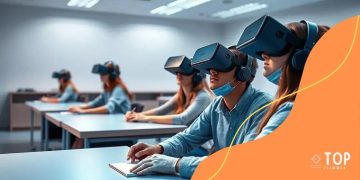
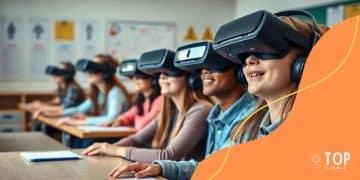
Interactive simulations, virtual reality (VR), and augmented reality (AR) can transport students to otherwise inaccessible environments, allowing them to conduct experiments, explore complex biological systems, or visualize abstract mathematical concepts in engaging ways. Coding and robotics platforms, even at elementary levels, empower students to become creators of technology, fostering computational thinking and engineering design skills. Data analysis software and digital fabrication tools like 3D printers enable students to collect, interpret, and act upon real-world data, bringing scientific inquiry and engineering design to life.
Digital Resources for Enhanced STEM Engagement
Access to digital resources also extends to online learning platforms, open educational resources (OER), and virtual labs that can supplement classroom instruction and provide personalized learning pathways. These tools can cater to diverse learning styles and paces, allowing students to delve deeper into topics of interest or receive additional support where needed. The key is to select and integrate these technologies thoughtfully, ensuring they enhance learning outcomes rather than merely serving as distractions.
- Interactive Simulations: Providing virtual environments for scientific experimentation and concept visualization.
- Coding Platforms: Introducing computational thinking and programming skills from an early age.
- 3D Printing & Design: Allowing students to design and create physical prototypes, fostering engineering skills.
- Data Visualization Tools: Empowering students to analyze and interpret complex datasets.
However, simply providing technology is not enough. Teachers need training on how to effectively integrate these tools into their pedagogy, and schools must ensure equitable access to devices and reliable internet connectivity for all students. Cybersecurity and digital citizenship also become critical components of technology-rich STEM environments. By thoughtfully embracing and integrating digital tools, K-12 schools can create dynamic, immersive, and highly effective STEM learning experiences that align perfectly with the goals of the 2025 STEM Education Initiative.
Fostering Partnerships: Community, Industry, and Higher Education
The 2025 STEM Education Initiative recognizes that comprehensive STEM learning extends beyond the classroom walls. Building robust partnerships with community organizations, local industries, and higher education institutions is vital for enriching student experiences, providing real-world context, and offering pathways to future STEM careers. These collaborations can bridge the gap between academic learning and practical application, making STEM concepts more tangible and exciting for K-12 students.
Community partnerships can involve local science museums, nature centers, or even public libraries that offer STEM-focused programs, workshops, and events. These informal learning environments provide alternative avenues for exploration and often spark initial interest in STEM fields. Industry partnerships are particularly impactful, allowing students to see STEM in action. This could involve company visits, guest speakers, mentorship programs, or even internships for older K-12 students. Hearing directly from engineers, scientists, and technologists can inspire students and help them envision themselves in similar roles.
Benefits of Strategic STEM Partnerships
Collaborations with colleges and universities offer unique advantages, providing access to advanced laboratories, research opportunities, and specialized faculty expertise. Dual enrollment programs, summer camps, and university-led outreach initiatives can expose K-12 students to higher-level STEM concepts and the academic rigor of post-secondary education. These partnerships also allow for resource sharing, teacher professional development, and curriculum alignment, ensuring a smoother transition for students pursuing STEM in college.
- Real-World Exposure: Connecting classroom learning to practical applications in industry and research.
- Mentorship Opportunities: Providing students with guidance and role models from STEM professionals.
- Resource Sharing: Leveraging external expertise, equipment, and facilities.
- Career Pathways: Highlighting diverse STEM career options and educational requirements.
Establishing and maintaining these partnerships requires dedicated effort and clear communication. Schools need to identify potential partners, define mutual goals, and create structured programs that benefit all involved. By actively seeking and nurturing these external relationships, K-12 schools can significantly enhance their STEM offerings, providing students with unparalleled opportunities to explore, learn, and grow within the framework of the 2025 STEM Education Initiative. These connections are not just supplementary; they are foundational to a truly comprehensive STEM ecosystem.
Assessing and Adapting STEM Progress
Effective implementation of the 2025 STEM Education Initiative demands continuous assessment and adaptation. It’s not enough to simply introduce new programs; schools must rigorously evaluate their effectiveness and be prepared to adjust strategies based on data and student outcomes. This iterative process ensures that STEM education remains relevant, impactful, and responsive to the evolving needs of students and the workforce.
Assessment in STEM goes beyond traditional standardized tests. It encompasses a range of formative and summative evaluations that measure not only content knowledge but also critical thinking, problem-solving, creativity, and collaboration skills. Project-based assessments, portfolios of student work, performance tasks, and authentic demonstrations of learning are all valuable tools for gauging STEM proficiency. These methods provide a more holistic view of student progress and highlight areas where additional support or curriculum adjustments might be needed.
Metrics for Evaluating STEM Initiative Success
Beyond individual student assessment, schools need to collect and analyze broader data points to understand the overall impact of their STEM initiatives. This includes tracking student enrollment in advanced STEM courses, participation in extracurricular STEM clubs, diversity in STEM programs, and post-secondary pathways. Feedback from students, teachers, and community partners is also invaluable for identifying strengths and weaknesses.
- Student Engagement Rates: Monitoring participation in STEM activities and clubs.
- Achievement Data: Analyzing performance in STEM-related assessments and courses.
- Equity Metrics: Evaluating participation and success rates across diverse student demographics.
- Teacher Feedback: Gathering insights from educators on curriculum effectiveness and professional development needs.
Based on this comprehensive assessment, school leaders and educators can make informed decisions about curriculum revisions, resource allocation, and professional development priorities. The commitment to continuous improvement is a hallmark of successful STEM implementation. By embracing a culture of inquiry and reflection, K-12 schools can ensure that their efforts align with the ambitious goals of the 2025 STEM Education Initiative, ultimately preparing students to thrive in a technologically advanced world. This ongoing cycle of assessment and adaptation is crucial for long-term success.
Funding and Resource Allocation for STEM Programs
Implementing the ambitious goals of the 2025 STEM Education Initiative requires substantial and strategic investment in funding and resources. Without adequate financial support, even the most innovative programs can falter. K-12 schools across the US need to explore a variety of funding avenues and allocate resources effectively to build and sustain high-quality STEM education.
Federal grants, such as those from the National Science Foundation (NSF) or the Department of Education, often provide significant capital for STEM initiatives. State-level funding dedicated to STEM education, sometimes tied to specific performance metrics, also plays a crucial role. Schools should actively research and apply for these competitive grants, demonstrating a clear vision for how the funds will be used to enhance student learning and meet initiative objectives.
Diverse Funding Streams for Sustainable STEM Growth
Beyond government funding, private foundations and corporate partnerships can be invaluable. Many companies have a vested interest in developing a future STEM workforce and are willing to invest in K-12 programs. Local businesses might offer sponsorships, equipment donations, or even volunteer expertise. Engaging parent-teacher organizations (PTOs) and community groups can also generate local fundraising efforts and volunteer support for specific STEM projects or events.
- Federal and State Grants: Actively seeking and applying for government funding opportunities.
- Private Foundation Support: Partnering with philanthropic organizations focused on education and STEM.
- Corporate Sponsorships: Collaborating with local and national businesses for financial and in-kind contributions.
- Community Fundraising: Engaging PTOs and local groups to support specific STEM initiatives.
Once secured, funding must be allocated strategically. Priorities include professional development for teachers, purchasing modern STEM equipment and technology, developing innovative curricula, and providing equitable access to resources for all students. It’s also important to consider long-term sustainability, planning for ongoing maintenance of equipment and continued professional learning. Effective financial planning and diverse funding streams are paramount to ensuring that the 2025 STEM Education Initiative can be fully realized and maintained, creating a lasting impact on K-12 education and the future of the nation’s scientific and technological prowess.
| Key Implementation Area | Brief Description |
|---|---|
| Curriculum Integration | Seamlessly blend science, technology, engineering, and math across all K-12 grades. |
| Educator Professional Development | Provide ongoing training for teachers in STEM content and innovative pedagogies. |
| Technology Integration | Utilize digital tools like simulations, coding platforms, and 3D printing for hands-on learning. |
| Strategic Partnerships | Forge collaborations with industry, higher education, and community organizations. |
Frequently Asked Questions About the 2025 STEM Initiative
The primary goal is to enhance STEM literacy and prepare a skilled workforce for future challenges. It aims to foster critical thinking, innovation, and problem-solving skills among K-12 students through integrated, hands-on learning experiences and equitable access to STEM education for all.
The initiative promotes equity by advocating for broadening participation among underrepresented groups, directing resources to underserved communities, and investing in teacher training to effectively support diverse learners. This ensures all students have access to high-quality STEM opportunities.
Technology is central to the initiative, serving as a tool for exploration, creation, and problem-solving. It includes interactive simulations, coding platforms, 3D printing, and data analysis software, all designed to make STEM learning more engaging and relevant for students across K-12.
Partnerships with industry, higher education, and community organizations are crucial for providing real-world context, mentorship, and career pathways. They enrich student experiences, offer access to advanced resources, and connect classroom learning to practical applications, enhancing overall STEM education.
Assessment will move beyond traditional tests to include project-based evaluations, portfolios, and performance tasks measuring critical thinking and collaboration. Schools will also track enrollment in STEM courses, diversity metrics, and post-secondary pathways to ensure continuous improvement and alignment with initiative goals.
Charting the Course for Future Innovators
The 2025 STEM Education Initiative represents a critical juncture for US K-12 schools. It’s an urgent call to action, demanding a reimagining of how we teach and learn science, technology, engineering, and mathematics. By embracing integrated curricula, investing in robust professional development for educators, strategically leveraging technology, and forging powerful partnerships, schools can transform their educational landscape. The path forward requires commitment, adaptability, and a shared vision for nurturing the next generation of innovators, problem-solvers, and critical thinkers who will drive our nation’s progress. The future workforce depends on the foundational changes we implement now, ensuring every student has the opportunity to thrive in a STEM-driven world.
Autor