
AI for US Job Search: 3 Tools for 2026 Success
In 2026, leveraging AI tools is crucial for a competitive US job search, streamlining resume optimization, interview preparation, and identifying relevant opportunities effectively.

US Workforce Resilience: Stay Employable Through 2026
To maintain employability in the evolving US workforce through 2026, individuals must prioritize continuous skill development, embrace adaptability, and strategically navigate emerging industry trends.

Interviewing in 2026: 5 Advanced Techniques for US Job Seekers
In 2026, US job seekers must master advanced interviewing techniques, including AI-powered feedback and virtual reality simulations, to stand out in a competitive market.

US Labor Shortage 2026: Shaping Hiring Strategies
The US labor shortage in 2026 is forcing businesses to innovate hiring strategies, focusing on technology, employee retention, and skill development to attract and secure top talent in a competitive market.

Employee Benefits Evolution: US Companies by 2026
By 2026, US companies will significantly evolve employee benefits, shifting towards hyper-personalized wellness, enhanced flexibility, and tech-integrated support to meet diverse workforce needs and attract top talent.
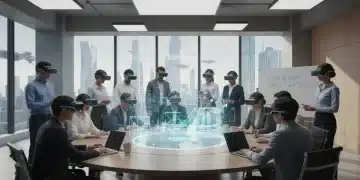
Decoding US Job Descriptions 2026: Key Keywords Analyzed
The US job market in 2026 is undergoing significant transformation, with specific keywords in job descriptions reflecting new demands and priorities for employers and job seekers alike.

Gig Economy US: New Regulations Expected in 2026
The US gig economy is on the cusp of significant regulatory changes expected by 2026, aiming to redefine worker classifications and provide enhanced protections for millions of independent contractors.

Upskilling for 2026: 4 Certifications Boosting US Employability
By 2026, strategic upskilling through specific certification programs is projected to significantly enhance US employability, with four key areas offering a substantial 15% boost for career advancement and securing in-demand roles.

Remote Work in 2026: 3 Policy Shifts US Employees Must Understand
As 2026 approaches, US remote employees must understand three pivotal policy shifts: the rise of hybrid work mandates, evolving state and federal tax regulations, and the emergence of digital nomad visas, all reshaping the employment landscape.