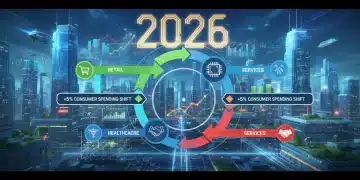
Consumer Spending Patterns in 2026: What a 5% Shift Means for the U.S. Economy
A 5% shift in U.S. consumer spending patterns in 2026 could significantly reallocate trillions of dollars, profoundly impacting industries from retail to technology, influencing inflation, employment, and overall economic growth.

Energy Sector Dynamics in 2026: Economic Effects of Renewable Transition in the U.S.
By 2026, the U.S. renewable energy transition is poised to significantly reshape the national economy, driving substantial investment, creating new job opportunities, and influencing energy prices and regional development.

U.S. Housing Market 2026: Affordability & Investment Trends
The US housing market in 2026 faces complex dynamics, balancing persistent affordability challenges with evolving investment opportunities, driven by demographic shifts and economic factors.

Trade Policy Changes in 2026: U.S. Exports and Imports Outlook
Anticipate the forthcoming U.S. trade policy shifts in 2026 and their significant implications for both American exports and imports, reshaping international commerce and domestic markets.

U.S. National Debt 2026: Economic Implications and Projections
The 2026 U.S. national debt poses significant economic implications, influencing interest rates, inflation, and future fiscal policy through continued government spending and revenue challenges.

U.S. Supply Chain Resilience: Strategies for 2026
By 2026, bolstering U.S. supply chain resilience requires integrated strategies encompassing advanced technology, strategic diversification, and robust government policies to proactively mitigate disruptions and secure economic stability.
2026 U.S. Labor Market: Employment Shifts & Wage Growth Trends
The 2026 U.S. labor market is projected to experience substantial shifts driven by technological integration and evolving workforce demands, impacting employment patterns and fostering notable wage growth across various sectors.

Fed Rate Hikes: Impact on U.S. Business Investment 2026
The Federal Reserve's interest rate hikes in 2026 are expected to significantly influence U.S. business investment, impacting borrowing costs, capital allocation, and expansion strategies across various sectors.
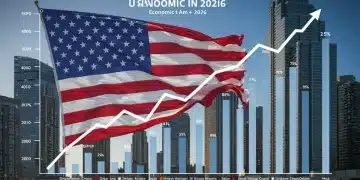
U.S. Economic Outlook 2026: 3% GDP Growth and Inflation Challenges
In 2026, the U.S. economy anticipates a 3% GDP growth rate, navigating persistent inflation challenges amidst evolving global and domestic economic landscapes.