Foreign aid spending: uncovering its impact and relevance

Foreign aid spending significantly impacts recipient countries by fostering economic growth, enhancing governance, and addressing global challenges like climate change, while also being influenced by political dynamics and the effectiveness of aid allocation.
Foreign aid spending plays a crucial role in international relations, directly impacting economies and development across the globe. Have you ever wondered how this financial support shapes lives and fosters global connections? Let’s dive into this topic.
Understanding foreign aid spending
Understanding foreign aid spending is essential to grasp its role in global relations. This financial assistance helps countries in need, offering vital resources for development. But what exactly does foreign aid encompass? Let’s break it down.
Types of Foreign Aid
Foreign aid can be categorized into various types, each serving different purposes. Some key categories include:
- Bilateral aid: Assistance given directly from one government to another.
- Multilateral aid: Funding provided through international organizations like the United Nations.
- Humanitarian aid: Aid given in response to crises, such as natural disasters or conflicts.
- Development aid: Long-term assistance focused on economic development and poverty reduction.
These types of aid highlight the diverse ways countries can support one another. For instance, bilateral aid targets specific needs, while development aid aims for sustainable growth over time.
The Role of Foreign Aid Agencies
Foreign aid is often distributed through organizations and agencies that specialize in aid distribution. These agencies are crucial in ensuring that aid reaches those who need it most. They assess needs, allocate resources, and monitor spending to maximize impact.
Without these agencies, the effectiveness of foreign aid could diminish. The World Bank, for example, plays a vital role in funding projects aimed at poverty alleviation, improving infrastructure, and enhancing education in developing countries.
Understanding how foreign aid spending operates helps us recognize its importance in fostering international relations and enhancing global development. As countries collaborate through aid, they create bonds that can lead to a more stable and prosperous world. Exploring these dynamics reveals the intricate connections between nations and the impact of financial support.
The impact of foreign aid on recipient countries
The impact of foreign aid on recipient countries is significant and multifaceted. This assistance can foster development and enhance living conditions. However, its effects can vary widely depending on several factors, including how effectively the aid is managed and the specific needs of the country receiving the support.
Economic Benefits
One of the primary impacts of foreign aid is its ability to stimulate economic growth. When properly allocated, aid can:
- Boost infrastructure: Projects funded by aid can improve roads, schools, and hospitals, creating a foundation for future development.
- Stimulate job creation: Investments in various sectors lead to employment opportunities, helping reduce poverty.
- Encourage trade: Aid can help countries build the necessary infrastructure to enhance trade with other nations.
These economic benefits often create a cycle of improvement, where better infrastructure leads to more trade, which in turn fosters further growth.
Social Effects
Besides economic gains, foreign aid can also yield profound social changes. For instance, it can:
- Improve education: Donor funding often supports educational programs, making education more accessible.
- Enhance health services: Health aid can improve access to essential medical care, lowering disease rates and improving quality of life.
- Empower communities: Aid initiatives may focus on training and capacity building, equipping communities with the skills necessary for self-sustainability.
Overall, these social effects contribute to a healthier and better-educated population, setting the stage for future advancements.
However, it’s important to recognize that not all aid results in positive outcomes. Mismanagement or corruption can lead to wasted resources. Countries must have systems in place to ensure that the aid reaches those who need it most. When transparency and accountability are prioritized, the benefits of foreign aid can be maximized.
Evaluating the effectiveness of foreign aid
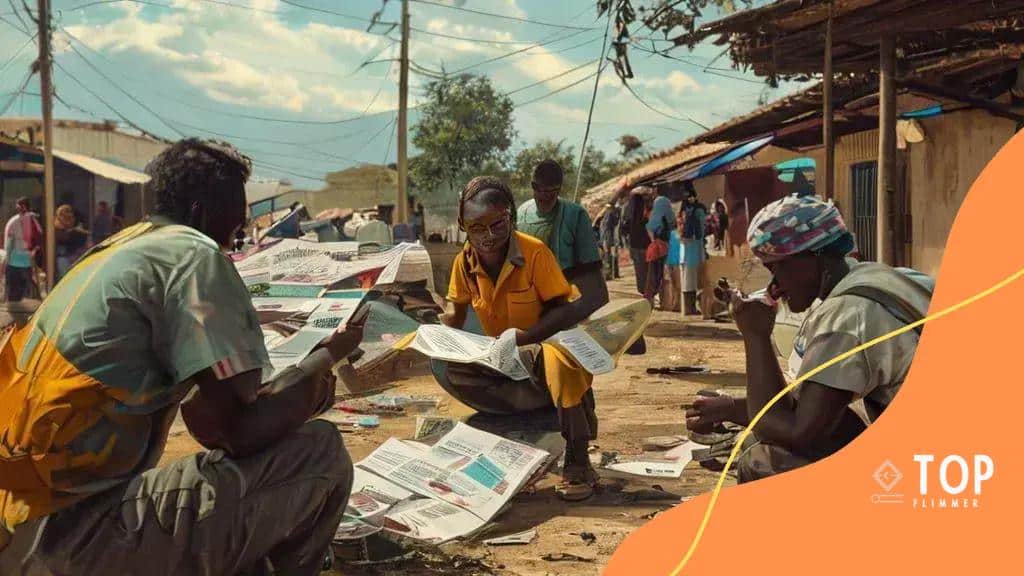
Evaluating the effectiveness of foreign aid is crucial to understand its true impact. Different factors determine whether aid is successful or not. Assessing these factors helps to enhance the delivery and ensure that it meets the needs of the recipient countries.
Measuring Success
Several criteria can be used to measure the effectiveness of foreign aid. These include:
- Development outcomes: Improvements in health, education, and economic growth indicate successful aid utilization.
- Project sustainability: Effective aid should lead to long-term benefits that continue after the aid has ended.
- Local involvement: Aid projects that engage local communities often achieve better results, as they address specific needs.
These criteria provide a framework for assessing whether foreign aid fulfills its intended purpose. When aid programs incorporate local perspectives, they tend to be more effective.
Challenges in Evaluation
Evaluating aid effectiveness isn’t without its challenges. For example, the complexities of measuring long-term impacts can skew results. External factors, like political instability or natural disasters, can also influence project outcomes.
Moreover, collecting data can be difficult, especially in less developed regions. It’s essential to establish clear monitoring systems to track progress and make necessary adjustments throughout the project lifecycle.
Despite these challenges, methods like randomized control trials (RCTs) and qualitative assessments help provide insights into what works and what doesn’t. Continuous evaluation is necessary to refine strategies and enhance the impact of foreign aid.
The political implications of foreign aid spending
The political implications of foreign aid spending are significant and can shape international relations in many ways. Foreign aid is not just about money; it comes with expectations and influences political landscapes. Countries receiving aid may alter their policies in response to the preferences of donor nations.
Influence on Governance
One major political implication is the potential influence on governance. When countries receive foreign aid, they may:
- Align policies: Recipient countries might adjust their laws and regulations to meet the demands of donors.
- Enhance accountability: Aid conditions can push governments to improve transparency and reduce corruption.
- Promote democracy: Some aid is specifically aimed at strengthening democratic institutions and practices.
This dynamic can lead to healthier governance but can also create dependency on foreign resources.
Geopolitical Strategies
Foreign aid can also play a crucial role in geopolitical strategies. Donor countries may use aid as a tool to:
- Build alliances: By providing aid, countries can forge stronger political relationships with recipient nations.
- Counter adversaries: Aid can be a way to curb the influence of rival nations in strategic regions.
- Promote stability: Investing in aid can help create a more stable environment, reducing the likelihood of conflict.
These strategies reflect how foreign aid is intertwined with national interests and global security. The implications extend beyond the aid itself, influencing broader political landscapes and relationships.
Understanding the political implications of foreign aid spending helps clarify why it is often tied to specific conditions and expectations. As nations navigate this complex web of relationships, the nature of foreign aid evolves, creating both opportunities and challenges for the involved countries.
Future trends in foreign aid allocation
Understanding the future trends in foreign aid allocation is crucial as global needs change. As countries face new challenges, the way aid is allocated will also evolve. Recent discussions have highlighted several emerging patterns that may reshape the future of aid distribution.
Increased Focus on Climate Change
One notable trend is the increasing emphasis on climate change. Many donor countries and organizations are directing funds toward projects that address environmental issues. This includes:
- Renewable energy initiatives: Supporting solar and wind energy projects in developing countries.
- Disaster resilience: Funding for infrastructure that can withstand extreme weather events, like floods or hurricanes.
- Conservation efforts: Investments in projects that protect natural ecosystems.
These efforts reflect a growing recognition that climate change is a pressing global concern that influences many other development challenges.
Emphasis on Technology and Innovation
Another trend is the increasing integration of technology in aid projects. Many organizations are now leveraging technology to enhance the effectiveness of their aid. This includes:
- Digital financial services: Utilizing mobile banking systems to improve access to funds.
- Data collection: Using technology to gather data for better monitoring and evaluation of aid effectiveness.
- Telehealth services: Providing remote healthcare options in under-resourced areas.
By embracing innovation, aid programs can respond more effectively to the needs of recipients and ensure that assistance reaches those most in need.
Lastly, collaboration among various stakeholders is becoming more important. Governments, NGOs, and private sectors are increasingly working together to pool resources and expertise. This collaboration fosters a more comprehensive and effective approach to tackling global challenges.
FAQ – Frequently Asked Questions about Foreign Aid Spending
What are the main trends in foreign aid allocation?
The main trends include a stronger focus on climate change, technology integration, and collaboration among stakeholders.
How does foreign aid influence politics in recipient countries?
Foreign aid can encourage policy alignment with donor nations, enhance governance, and promote democratic practices.
What metrics are used to evaluate the effectiveness of foreign aid?
Effectiveness can be measured by development outcomes, project sustainability, and local community involvement.
Why is collaboration important in foreign aid?
Collaboration ensures that resources are pooled, expertise is shared, and aid efforts are more comprehensive and effective.
Autor