Fed Rate Hikes: Impact on U.S. Business Investment 2026
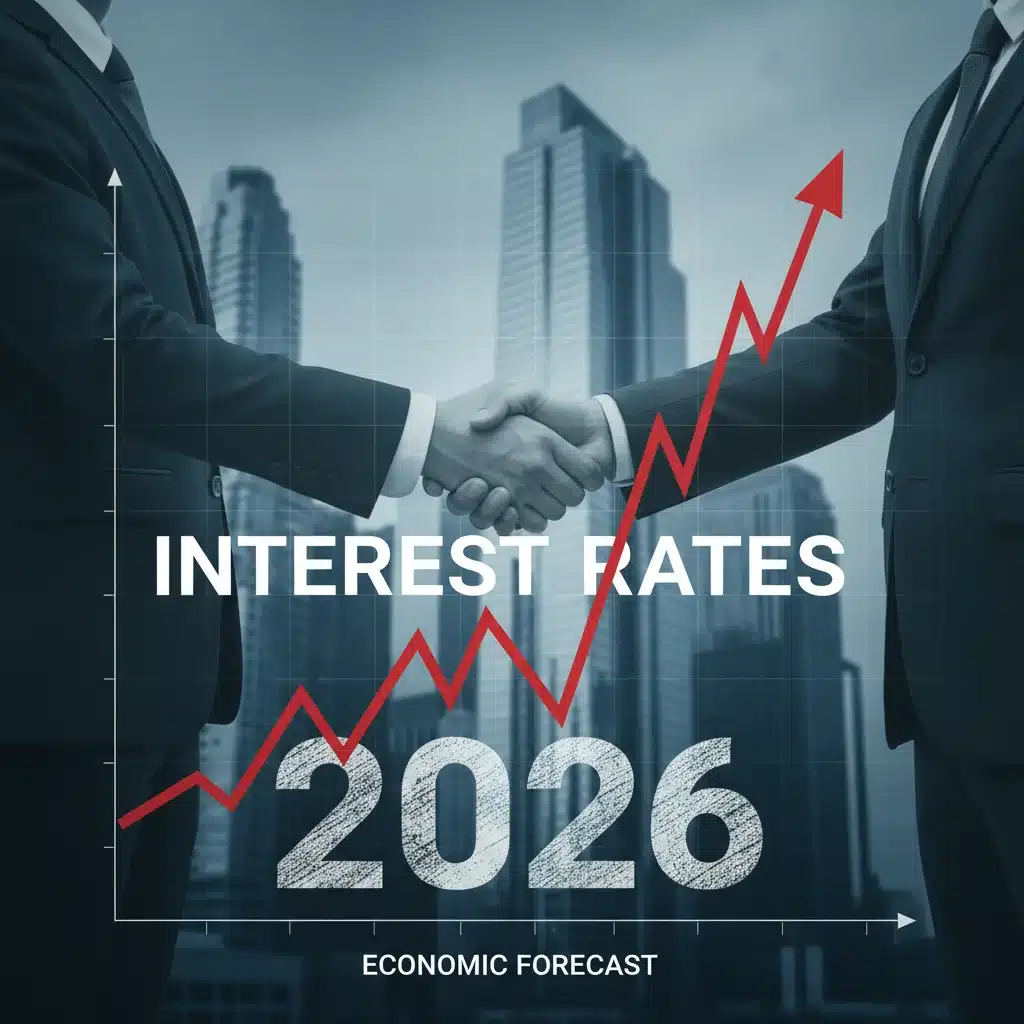
The Federal Reserve’s interest rate hikes in 2026 are poised to reshape U.S. business investment, directly influencing capital expenditures, project viability, and overall economic expansion.
As we navigate the economic currents of 2026, a critical factor influencing corporate strategies across the United States is the anticipated actions of the Federal Reserve. Understanding the impact of Federal Reserve interest rate hikes on U.S. business investment in 2026 is paramount for decision-makers, investors, and economists alike. These monetary policy adjustments ripple through every layer of the economy, directly affecting the cost of capital, assessment of risk, and the appetite for new ventures.
Understanding the Federal Reserve’s Mandate and Tools
The Federal Reserve, often referred to as the Fed, serves as the central bank of the United States. Its primary mandate involves maintaining maximum employment, stable prices, and moderate long-term interest rates. To achieve these goals, the Fed employs a range of monetary policy tools, with interest rate adjustments being one of the most prominent and impactful.
By raising interest rates, the Fed aims to cool down an overheating economy, curb inflation, and stabilize financial markets. These actions make borrowing more expensive for businesses and consumers, thereby reducing aggregate demand and slowing economic growth. Conversely, lowering rates stimulates borrowing and spending, encouraging economic expansion. The delicate balance the Fed must strike between these objectives is crucial, especially when considering the complex interplay with business investment.
The Mechanism of Rate Hikes
When the Federal Open Market Committee (FOMC) decides to raise the federal funds rate, it directly influences short-term borrowing costs for banks. This, in turn, cascades through the financial system, affecting a wide array of other interest rates, including those for business loans, mortgages, and corporate bonds. The expectation of these rate changes also plays a significant role, as businesses and investors often adjust their plans in anticipation of future Fed moves.
- Federal Funds Rate: The target rate for overnight lending between banks, directly controlled by the Fed.
- Discount Rate: The interest rate at which commercial banks can borrow directly from the Federal Reserve.
- Reserve Requirements: The amount of funds banks must hold in reserve against deposits, though less frequently adjusted.
The Fed’s communication strategy, including forward guidance on future policy intentions, is also a powerful tool. Clear communication helps manage market expectations and reduces uncertainty, although unforeseen economic developments can always shift the Fed’s stance. The decisions made in 2026 will undoubtedly be influenced by the economic data available at that time, including inflation figures, employment reports, and global economic conditions.
In essence, the Federal Reserve’s mandate is to foster an economic environment conducive to sustainable growth. Its tools, particularly interest rate adjustments, are powerful levers that can significantly alter the landscape for U.S. businesses considering investment in the coming year.
Direct Impact on Cost of Capital for Businesses
One of the most immediate and tangible effects of Federal Reserve interest rate hikes on U.S. business investment in 2026 is the increased cost of capital. For businesses, higher interest rates translate directly into more expensive borrowing, whether through bank loans, corporate bonds, or other forms of debt financing. This elevated cost can significantly alter the financial viability of new projects and expansion plans.
When the cost of borrowing rises, the hurdle rate for investment projects also increases. Businesses typically evaluate potential investments based on their expected return on investment (ROI) compared to the cost of financing. If the cost of capital surpasses the anticipated ROI, projects that were previously deemed profitable may no longer be attractive, leading to a reduction in overall investment activity. This effect is particularly pronounced for capital-intensive industries that rely heavily on debt financing for large-scale projects.
Evaluating Project Viability
Higher interest rates compel businesses to scrutinize their investment proposals more rigorously. Projects with long payback periods or lower expected returns are often the first to be shelved or postponed. This can lead to a shift in investment priorities, favoring projects with quicker returns or those that are less sensitive to interest rate fluctuations.
- Increased Loan Costs: Bank loans for working capital, equipment purchases, and real estate become more expensive.
- Higher Bond Yields: Companies issuing corporate bonds must offer higher yields to attract investors, increasing their debt service costs.
- Reduced Equity Valuations: Higher interest rates can make future earnings less valuable in present terms, potentially impacting stock prices and making equity financing less attractive.
Small and medium-sized enterprises (SMEs) are often more vulnerable to rising interest rates than larger corporations. SMEs typically have less access to diverse funding sources and may rely more heavily on traditional bank loans, making them more sensitive to changes in lending rates. This can stifle innovation and growth within this vital segment of the U.S. economy.
Ultimately, the direct impact on the cost of capital forces businesses to re-evaluate their investment strategies, potentially leading to a more conservative approach to capital allocation and a slowdown in expansion efforts across various sectors.
Sector-Specific Responses to Higher Rates
The impact of Federal Reserve interest rate hikes on U.S. business investment in 2026 will not be uniform across all sectors. Different industries possess varying levels of sensitivity to changes in borrowing costs, consumer demand, and economic growth expectations. Understanding these sector-specific responses is key to forecasting the broader economic implications.
For instance, industries that are highly capital-intensive or rely heavily on consumer financing, such as real estate, automotive, and manufacturing, are often among the first to feel the pinch of rising rates. Higher mortgage rates can cool the housing market, impacting construction and related industries. Similarly, increased loan costs for vehicles or machinery can deter purchases, affecting sales and production.
Industries Most Affected
Certain sectors are inherently more susceptible to interest rate changes due to their operational models and customer bases. Technology companies, particularly those in nascent stages or requiring significant R&D investment, might face challenges as venture capital becomes more selective and expensive. Similarly, companies with substantial existing debt burdens could see their debt servicing costs rise, eating into profit margins.
- Real Estate & Construction: Higher mortgage rates and development loan costs directly reduce demand and project viability.
- Automotive & Durable Goods: Increased financing costs for consumers can depress sales of big-ticket items.
- Manufacturing: Capital expenditures for new equipment and facilities become more expensive, potentially delaying upgrades.
- Tech & Startups: Higher cost of capital can make it harder to attract investment for growth and innovation.
Conversely, some sectors may be more resilient or even benefit from higher rates. Financial services, particularly banks, can sometimes see improved net interest margins as lending rates increase. Companies with strong balance sheets, low debt, and robust cash flows are better positioned to weather periods of higher interest rates and may even find opportunities to acquire distressed assets or gain market share.
Ultimately, the varying sensitivities across industries mean that while some sectors may experience significant headwinds in 2026, others might demonstrate resilience or even strategic gains, leading to a rebalancing of investment flows within the U.S. economy.
The Role of Inflation and Economic Outlook
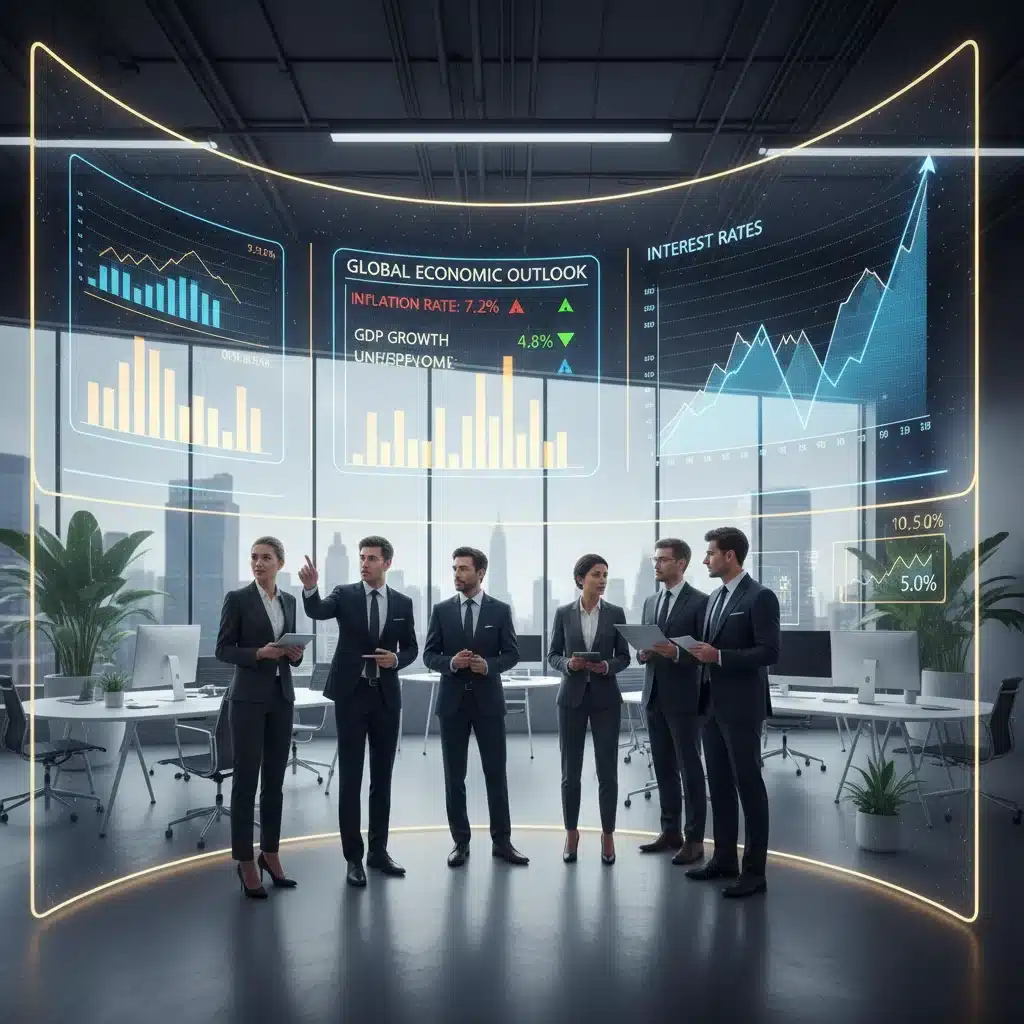
The Federal Reserve’s decisions on interest rates are inextricably linked to the prevailing inflation environment and the broader economic outlook. In 2026, the trajectory of inflation will be a dominant factor shaping the Fed’s monetary policy, and consequently, its impact on U.S. business investment. If inflationary pressures persist or re-emerge, the Fed may be compelled to maintain a restrictive stance, keeping rates elevated.
A sustained period of high inflation erodes purchasing power and creates uncertainty, which can deter long-term business investment. Businesses find it difficult to plan for the future when the cost of inputs and the value of future revenues are unpredictable. The Fed’s primary goal in raising rates is often to bring inflation back to its target level, typically around 2%, to foster a more stable economic environment.
Market Expectations and Business Confidence
Beyond actual rate changes, market expectations regarding the Fed’s future actions play a crucial role in shaping business confidence. If businesses anticipate further rate hikes, they might adopt a wait-and-see approach, postponing significant investment decisions until there is greater clarity on the economic horizon. Conversely, if the Fed signals a potential pause or pivot, it could inject renewed confidence, encouraging investment.
- Inflationary Pressures: Persistent inflation can necessitate higher rates, increasing borrowing costs.
- GDP Growth: A slowing economy might prompt the Fed to reconsider aggressive rate hikes, but strong growth could allow for continued tightening.
- Unemployment Rates: Low unemployment often indicates a tight labor market, potentially fueling wage inflation and justifying higher rates.
The global economic landscape also contributes to the Fed’s outlook. Geopolitical events, supply chain disruptions, and economic conditions in major trading partners can all influence U.S. inflation and growth prospects. Businesses operating internationally or relying on global supply chains will need to factor these broader considerations into their investment calculus for 2026.
In conclusion, the interplay between inflation, the Fed’s response, and market sentiment will be a critical determinant of the overall economic outlook and, by extension, the willingness of U.S. businesses to commit to new investments in 2026.
Strategic Adjustments for Businesses in a High-Rate Environment
In anticipation of or response to Federal Reserve interest rate hikes in 2026, U.S. businesses will need to implement strategic adjustments to mitigate risks and identify opportunities. A higher-rate environment demands a more disciplined approach to capital management, financial planning, and operational efficiency.
Companies with strong balance sheets and less reliance on external debt will be better positioned to navigate this landscape. For others, a proactive review of existing debt instruments and refinancing opportunities will be essential. Locking in favorable rates before further hikes, if feasible, could provide a significant advantage. Furthermore, focusing on improving operational cash flow and reducing unnecessary expenditures can enhance financial resilience.
Rethinking Investment Strategies
Businesses may shift their investment focus from expansion-driven projects to those emphasizing efficiency, cost reduction, or technological upgrades that offer immediate returns. Investments in automation, artificial intelligence, and sustainable practices could become more attractive if they promise long-term cost savings or improved productivity, thereby justifying the higher cost of capital.
- Prioritizing Internal Funding: Utilizing retained earnings or cash flow to finance investments, reducing reliance on debt.
- Optimizing Capital Structure: Re-evaluating the mix of debt and equity to minimize the overall cost of capital.
- Focusing on Efficiency: Investing in technologies and processes that enhance productivity and reduce operational costs.
- Strategic Acquisitions: Identifying and acquiring companies that may be undervalued due to market conditions, if capital allows.
Innovation and adaptability will also be key. Businesses that can quickly adjust their product offerings, pricing strategies, or market approaches to align with changing consumer behavior and economic realities will likely fare better. This might involve a greater emphasis on value propositions, subscription models, or services that are less sensitive to economic cycles.
Ultimately, strategic adjustments in a high-rate environment require a holistic approach, blending prudent financial management with forward-thinking operational and market strategies to ensure continued growth and profitability amidst evolving economic conditions.
Long-Term Implications for U.S. Economic Growth
The Federal Reserve’s interest rate hikes in 2026, while aimed at short-term economic stabilization, will also carry significant long-term implications for U.S. economic growth. The cumulative effect of sustained higher borrowing costs can influence the nation’s productive capacity, competitive standing, and innovation pipeline over the coming years.
If higher rates lead to a significant slowdown in business investment, particularly in areas like research and development, infrastructure, and technology, it could dampen long-term productivity growth. Reduced capital formation translates into slower expansion of the economy’s potential output. This could make it more challenging to achieve robust, non-inflationary growth in the future.
Impact on Innovation and Competitiveness
Innovation, often fueled by readily available and affordable capital, could face headwinds. Startups and emerging companies, which are crucial drivers of innovation, may find it more difficult to secure funding, potentially slowing the pace of technological advancement. This could, in turn, affect the U.S.’s global competitiveness in key industries.
- Slower Productivity Growth: Reduced investment in capital goods and technology can lead to a long-term slowdown in labor productivity.
- Innovation Stifled: Higher cost of capital can hinder R&D and the growth of innovative startups.
- Global Competitiveness: A less dynamic domestic investment environment could impact the U.S.’s standing against other global economies.
- Debt Sustainability: Higher interest rates can also increase the cost of government borrowing, potentially impacting fiscal policy options for stimulating long-term growth.
However, it is also important to consider the Fed’s objective: to achieve sustainable economic growth. By curbing excessive inflation and preventing asset bubbles, the Fed aims to lay the groundwork for more stable and durable expansion. A period of measured growth, even if slower in the short term, could lead to a healthier economic foundation in the long run, thereby fostering more consistent business investment in subsequent years.
The long-term implications, therefore, are a complex balance between the immediate dampening effect of higher rates on investment and the potential for a more stable economic environment that could eventually encourage sustained growth and innovation.
Forecasting the Investment Landscape in 2026
Forecasting the precise investment landscape in 2026, particularly given the ongoing influence of Federal Reserve interest rate hikes, requires a nuanced understanding of various economic indicators and potential policy responses. While a slowdown in certain types of investment is plausible, the overall picture will likely be one of adaptation and strategic reallocation rather than a complete halt.
Analysts generally anticipate a more conservative investment climate compared to periods of very low interest rates. Businesses will be more selective, prioritizing projects with clear strategic value, strong cash flow generation, and relatively quicker returns. Sectors tied to essential services, energy transition, and advanced manufacturing might continue to attract investment, driven by long-term structural trends rather than purely cyclical factors.
Key Factors for Businesses to Monitor
Businesses looking to invest in 2026 should closely monitor several key economic signals. Beyond the Fed’s explicit policy statements, inflation data, consumer spending patterns, and global economic stability will provide crucial insights. The resilience of the labor market and any shifts in government spending or fiscal policy will also play a significant role in shaping the investment environment.
- Inflation Reports: Continued moderation in inflation could signal a more dovish Fed stance.
- Employment Data: A strong labor market might allow the Fed to maintain higher rates for longer.
- Consumer Confidence: Declining consumer sentiment could impact demand and thus business investment.
- Global Economic Health: International trade and geopolitical stability influence U.S. business decisions.
Technological advancements, particularly in areas like artificial intelligence and automation, could also act as a counter-cyclical force, driving investment even in a higher-rate environment, as companies seek efficiency gains and competitive advantages. Furthermore, the availability of alternative financing methods, such as private equity or venture debt, could help bridge gaps left by traditional lending.
In essence, the investment landscape in 2026 will be characterized by heightened caution and strategic discernment. While the Fed’s rate hikes will undoubtedly exert pressure, businesses that are agile, financially robust, and focused on long-term value creation will be best positioned to navigate the challenges and seize emerging opportunities.
| Key Point | Brief Description |
|---|---|
| Increased Cost of Capital | Higher interest rates make borrowing more expensive for businesses, impacting project viability. |
| Sectoral Divergence | Impact varies significantly across industries; capital-intensive sectors are more vulnerable. |
| Inflationary Pressures | Persistent inflation drives Fed’s hawkish stance, influencing future rate decisions. |
| Strategic Business Adjustments | Businesses will prioritize efficiency, internal funding, and resilient investment strategies. |
Frequently Asked Questions About Fed Rate Hikes and Investment
Fed rate hikes increase the federal funds rate, which banks use as a benchmark. This leads to higher interest rates on all types of loans, including business loans, lines of credit, and corporate bonds, making it more expensive for companies to borrow capital for investment.
Sectors highly dependent on borrowing or consumer financing, such as real estate, construction, automotive, and capital-intensive manufacturing, are typically most sensitive. Startups and small businesses also face greater challenges due to limited access to diverse funding sources.
Inflation is a primary driver of Fed rate hike decisions. If inflation remains elevated above the Fed’s target, the central bank is more likely to raise rates to cool the economy and stabilize prices, impacting business investment as a consequence.
Businesses can mitigate effects by prioritizing internal funding, optimizing their capital structure, focusing on efficiency-driven investments, and enhancing cash flow management. Strategic planning and adaptability to market changes are also crucial for resilience.
While rate hikes aim to cool inflation, there’s always a risk of slowing economic growth too much, potentially leading to a recession. The Fed attempts a ‘soft landing,’ but whether it succeeds depends on various economic factors and the extent of future policy adjustments.
Conclusion
The anticipated Federal Reserve interest rate hikes in 2026 are set to cast a long shadow over U.S. business investment, compelling companies to reassess their financial strategies and project priorities. While the immediate consequence will be a higher cost of capital and potential slowdowns in certain sectors, these adjustments are part of the Fed’s broader effort to achieve long-term economic stability. Businesses that demonstrate financial prudence, strategic flexibility, and a keen eye on evolving economic indicators will be best equipped to navigate this environment, transforming challenges into opportunities for sustainable growth and innovation.
Autor