January 2026 Deadline: New Energy Assistance Benefits
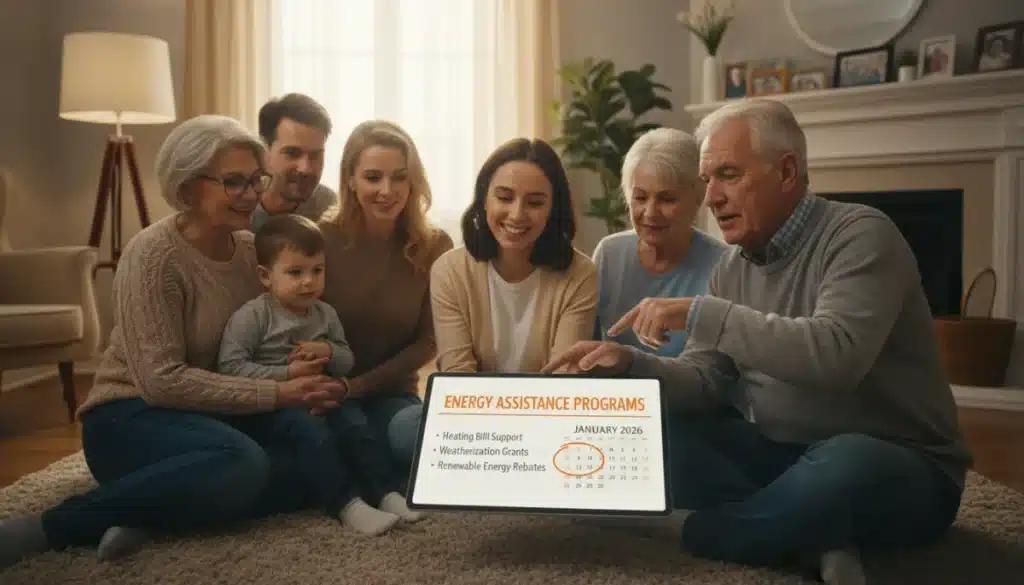
Eligible households must apply by the January 2026 deadline to receive new energy assistance benefits, crucial for managing utility expenses.
As we approach 2026, a crucial opportunity for financial relief is on the horizon: new energy assistance benefits are becoming available, but with a strict and significant deadline. Do not miss out: the January 2026 deadline for new energy assistance benefits (time-sensitive) is fast approaching, and understanding how to access these vital funds can significantly impact your household’s financial stability.
Understanding the January 2026 Energy Assistance Landscape
The beginning of 2026 marks a pivotal moment for many American households struggling with rising energy costs. New federal and state-level programs are being rolled out, designed to provide substantial relief. These initiatives are not merely temporary fixes but represent a concerted effort to support communities in maintaining essential utility services, particularly during peak heating and cooling seasons. It’s imperative to grasp the scope and intent behind these programs to fully leverage the support available.
The Evolution of Energy Aid Programs
Historically, energy assistance programs have adapted to economic shifts and environmental challenges. The 2026 initiatives build upon previous frameworks, incorporating lessons learned and expanding eligibility to reach a broader segment of the population. This evolution reflects a growing understanding of energy poverty and its far-reaching implications for health, safety, and economic well-being. The focus is on creating sustainable support mechanisms that are both accessible and impactful for vulnerable families and individuals across the United States.
- Increased Funding: Many programs will see enhanced budgets, allowing more households to receive aid.
- Broader Eligibility: Income thresholds are being adjusted to include a wider range of middle-income families.
- Streamlined Application: Efforts are underway to simplify the application process, making it less daunting for applicants.
Understanding these foundational changes is the first step toward securing your benefits. The January 2026 deadline is not just a date; it’s a gateway to improved living conditions and reduced financial stress. By staying informed about the specifics of these programs, you can ensure your household is prepared to apply promptly and effectively.
In conclusion, the 2026 energy assistance landscape is designed to be more inclusive and responsive to current needs. Recognizing the critical nature of these benefits and the upcoming deadline is paramount for anyone seeking help with their energy bills.
Eligibility Criteria: Who Qualifies for 2026 Benefits?
Navigating the eligibility requirements for new energy assistance benefits can sometimes feel complex, but with clear guidance, it becomes manageable. These programs are primarily designed to assist low-income households, seniors, individuals with disabilities, and families with young children, but the 2026 updates may introduce new categories and adjusted income thresholds. It’s crucial to review the specific criteria applicable to your state and local area, as they can vary significantly.
Income and Household Size
The most common determinant for eligibility is household income relative to the federal poverty level or state-specific median income. For 2026, many programs are expected to raise these income ceilings, potentially allowing more working families to qualify. The number of individuals residing in your household also plays a significant role, as larger families generally have higher allowable income limits.
- Federal Poverty Guidelines: These are often the baseline, but state programs may use a percentage above this (e.g., 150% or 200%).
- Household Composition: Special considerations may apply for households with elderly members, young children, or individuals with chronic health conditions requiring consistent heating or cooling.
Beyond income, other factors like residency status (U.S. citizen or qualified alien) and responsibility for home energy costs (e.g., direct payment to utility company or inclusion in rent) are typically considered. Some programs may also look at recent job loss or medical emergencies as qualifying circumstances. It is important to gather all relevant documentation well in advance of the January 2026 deadline.
The goal of these criteria is to direct aid to those most in need, ensuring that the assistance effectively alleviates financial burdens related to energy expenses. Understanding your eligibility before applying can save time and ensure a smoother process.
The Application Process: Step-by-Step Guide to Securing Aid
Applying for energy assistance benefits can seem daunting, but breaking it down into clear steps makes the process much more manageable. The key to a successful application, especially with the January 2026 deadline looming, is preparation and attention to detail. Most programs utilize a similar framework, whether you’re applying online, by mail, or in person.
Gathering Required Documentation
Before you even begin filling out forms, compile all necessary documents. This proactive step is crucial for preventing delays. Common documents include proof of income for all household members, recent utility bills, identification for all household members, and proof of residency. Some programs might also require documentation of specific circumstances, such as medical conditions or disability status.
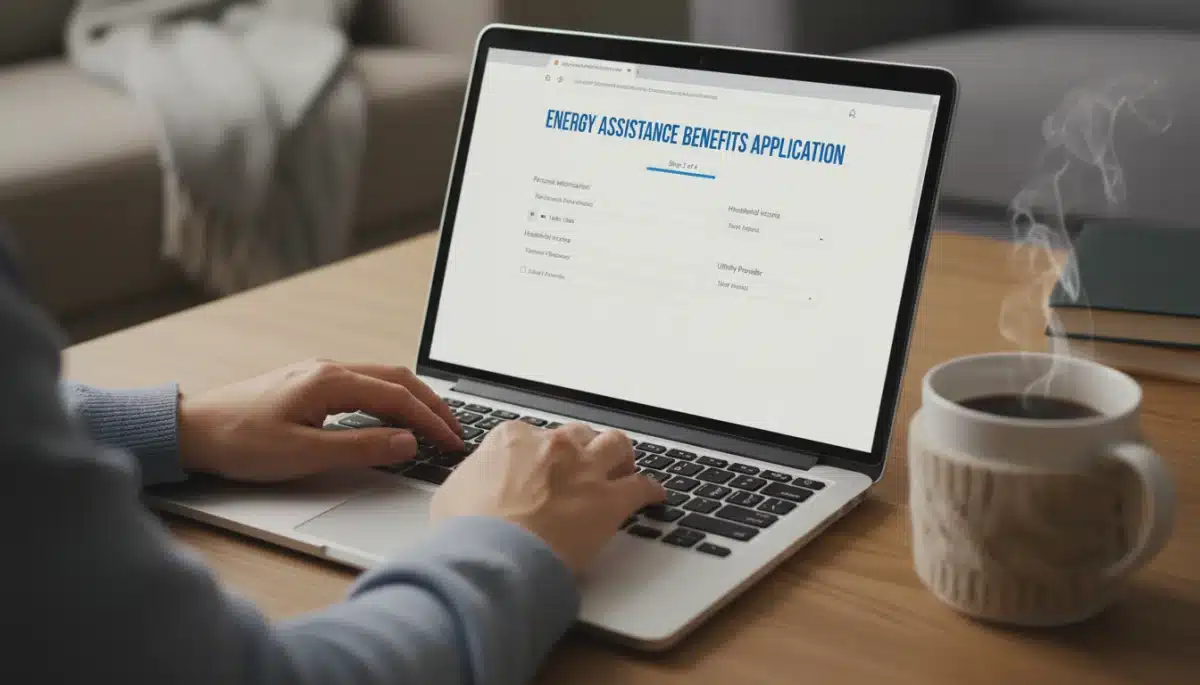
Many states and local agencies offer online portals for application submission, which can often be the fastest and most convenient method. These portals typically guide you through each section, prompting you for required information and document uploads. For those without internet access, paper applications are usually available for download or pickup at local social service agencies. When submitting a paper application, ensure all forms are completely filled out and signed, and always make copies for your records.
Submitting Your Application and Follow-Up
Once your application is complete and all documents are attached, submit it through the designated channel. After submission, it’s wise to follow up to confirm receipt and inquire about the expected processing timeline. Keep any confirmation numbers or reference codes provided. The January 2026 deadline refers to the date by which your completed application must be received, not necessarily processed. Therefore, submitting well in advance is highly recommended to avoid any last-minute issues or technical glitches.
- Online Submission: Check for a confirmation email or tracking number.
- Mail Submission: Consider using certified mail for proof of delivery.
- In-Person Submission: Request a dated receipt or acknowledgment.
The application process, while requiring diligence, is designed to be accessible. By following these steps, you significantly increase your chances of successfully securing the energy assistance benefits your household needs.
Key Changes and Updates for the 2026 Program Year
The 2026 program year for energy assistance benefits is not just a continuation of previous years; it introduces several significant changes and updates designed to enhance accessibility and impact. These modifications reflect evolving economic conditions, new legislative priorities, and a deeper understanding of the challenges faced by households in managing utility costs. Staying informed about these specific updates is critical for applicants.
Expanded Program Reach and Funding
One of the most notable changes for 2026 is the anticipated expansion in program reach, often coupled with increased funding allocations. This means more resources are being directed towards helping a greater number of eligible households. States and local agencies are expected to receive larger federal grants, allowing them to serve more applicants and potentially offer higher benefit amounts. This expansion is a direct response to persistent inflation and the rising cost of living, which continue to strain household budgets across the nation.
Furthermore, there’s a strong push towards making these programs more inclusive. This includes reviewing and potentially adjusting income eligibility thresholds to capture a broader range of working families who, while not in extreme poverty, still struggle with energy expenses. New outreach efforts are also being planned to ensure that information about these benefits reaches underserved communities and individuals who may not traditionally apply for assistance.
Technological Advancements and Simplified Access
Another significant update for 2026 involves technological advancements aimed at simplifying the application process. Many agencies are investing in more user-friendly online portals, mobile applications, and digital verification systems. These improvements are designed to reduce the administrative burden on applicants, making it quicker and easier to submit necessary documentation and track application status. The goal is to minimize barriers to access, particularly for individuals who may have limited mobility or transportation options.
- Online Portals: Enhanced features for document upload and status tracking.
- Digital Verification: Faster processing through secure data sharing with other government agencies (with applicant consent).
- Multilingual Support: Increased availability of application materials and assistance in multiple languages.
These updates collectively aim to create a more efficient, equitable, and effective energy assistance system. Understanding these changes empowers applicants to navigate the process with greater confidence and take full advantage of the support available by the January 2026 deadline.
Maximizing Your Benefits: Tips for a Successful Application
Securing energy assistance benefits requires more than just meeting eligibility criteria; it also involves strategic planning and attention to detail during the application process. With the January 2026 deadline approaching, maximizing your chances of a successful application is paramount. There are several key tips that can significantly improve your outcome and ensure you receive the maximum possible aid.
Accuracy and Completeness Are Key
The most common reason for application delays or rejections is incomplete or inaccurate information. Double-check every field on your application form to ensure it is filled out correctly and completely. Any discrepancies or missing details can lead to your application being flagged for further review, significantly extending the processing time. It’s better to take a few extra minutes to review everything thoroughly than to face delays.
- Proofread: Carefully read through all entered information for typos or errors.
- Verify Dates: Ensure all dates (birthdates, income periods, etc.) are correct.
- Match Documentation: Confirm that all information on the application matches your submitted documents.
Furthermore, ensure you submit all requested supporting documents. If a document is missing, your application will be considered incomplete. Make a checklist of all required items and tick them off as you gather them. If you are unsure about a specific document, contact the administering agency for clarification before submitting.
Seek Assistance if Needed
Don’t hesitate to seek help if you encounter difficulties or have questions. Many local agencies offer assistance with the application process, including help with filling out forms, understanding eligibility, and gathering documentation. Community organizations, non-profits, and even some utility companies provide resources and guidance to applicants. Utilizing these services can be invaluable, especially if you’re applying for the first time or if your circumstances are complex.
Early application is another critical tip. While the January 2026 deadline is the final cutoff, applying earlier in the program cycle can be advantageous. Funds are often distributed on a first-come, first-served basis, and applying early ensures your application is considered before resources are depleted. This also provides ample time to address any issues or provide additional information if requested. By being proactive and meticulous, you can significantly enhance your chances of a successful application and maximize your energy assistance benefits.
Beyond the Deadline: What Happens Next?
The January 2026 deadline for new energy assistance benefits marks a critical point, but it’s not the end of the process. Understanding what happens after you submit your application and how to manage your benefits is just as important. Post-deadline procedures involve application review, notification of decisions, and the actual distribution of aid, all of which have their own timelines and considerations.
Application Review and Notification
Once your application is submitted by the deadline, it enters a review phase. This process can take several weeks, depending on the volume of applications received and the efficiency of the administering agency. During this time, agency staff will verify your eligibility, cross-reference your submitted documents, and calculate your potential benefit amount. It’s crucial to ensure your contact information is current so you can receive important updates.
You will typically receive a notification by mail or email regarding the status of your application. This notification will inform you whether your application has been approved, denied, or if additional information is required. If approved, the notice will detail the amount of assistance you will receive and how it will be disbursed. If denied, the letter should provide a reason for the denial and information on how to appeal the decision, if applicable.
Receiving and Utilizing Your Benefits
Energy assistance benefits are usually paid directly to your utility company on your behalf. This means that instead of receiving a check, your utility account will be credited with the approved amount, reducing your overall bill. In some cases, particularly for heating fuel assistance, a payment might be made directly to a fuel vendor. It’s important to monitor your utility statements to confirm that the credit has been applied correctly.
Even after receiving benefits, it’s wise to continue practicing energy conservation. Assistance programs are designed to help, but wise energy use can further extend your budget and reduce your reliance on future aid. Staying informed about future application periods and deadlines is also beneficial, as energy needs can fluctuate year to year. By understanding the post-deadline process and actively managing your benefits, you can ensure sustained support for your household’s energy needs.
Future Outlook and Continued Support Initiatives
While the January 2026 deadline for new energy assistance benefits is a pressing concern, it’s also important to look beyond this immediate period to understand the broader landscape of continued support initiatives. Energy assistance is not a one-time event; it’s part of an ongoing commitment to ensuring energy affordability and security for all households. The future outlook involves both existing programs and the development of new strategies to address evolving energy challenges.
Long-Term Program Sustainability
Government agencies and non-profit organizations are continuously working to ensure the long-term sustainability of energy assistance programs. This includes advocating for consistent funding, exploring innovative funding mechanisms, and developing policies that address the root causes of energy poverty. The goal is to create a robust and resilient system that can adapt to economic fluctuations, climate changes, and technological advancements in the energy sector. This forward-thinking approach aims to provide a reliable safety net for households well into the future.
- Policy Advocacy: Efforts to secure consistent federal and state funding.
- Community Partnerships: Collaboration with local organizations to reach more people.
- Energy Efficiency Programs: Initiatives to help households reduce energy consumption and lower bills.
Beyond direct financial aid, there’s a growing emphasis on complementary support services. These often include weatherization programs, which help improve home insulation and reduce energy waste, and energy education initiatives that empower households to make informed decisions about their energy consumption. These holistic approaches aim to not only alleviate immediate financial burdens but also to foster long-term energy independence and resilience.
Staying Informed for Future Opportunities
For individuals and families relying on energy assistance, staying informed about future opportunities and program changes is crucial. Government websites, local social service agencies, and community centers are excellent resources for up-to-date information. Subscribing to newsletters or alerts from relevant organizations can also help you stay ahead of upcoming deadlines and new initiatives. The landscape of energy assistance is dynamic, and continuous engagement ensures you’re always aware of available support.
In conclusion, while the January 2026 deadline is a significant milestone, the commitment to energy assistance extends far beyond it. By understanding the ongoing initiatives and remaining proactive in seeking information, households can secure not only immediate relief but also contribute to a more energy-secure future.
| Key Point | Brief Description |
|---|---|
| January 2026 Deadline | Crucial date for submitting applications for new energy assistance benefits. |
| Eligibility Criteria | Income, household size, and residency are key factors; check state-specific rules. |
| Application Process | Gather documents, apply online or by mail, and follow up for status updates. |
| Program Updates 2026 | Expanded funding, broader eligibility, and simplified application methods. |
Frequently Asked Questions About Energy Assistance
The primary purpose is to provide financial relief to eligible households struggling with the costs of heating and cooling their homes. These benefits aim to prevent utility shut-offs, reduce energy burdens, and ensure essential home energy services, especially for vulnerable populations across the United States.
Eligibility is typically based on household income relative to federal poverty guidelines or state median income levels, household size, and residency. It is crucial to check the specific requirements set by your state or local administering agency, as these criteria can vary significantly. Updates for 2026 may include adjusted income thresholds.
Commonly required documents include proof of income for all household members, recent utility bills, government-issued identification for adults, and proof of residency. Some programs may also request documentation for specific circumstances, such as medical needs or disability. Always gather all necessary paperwork before starting your application.
Missing the January 2026 deadline means you will likely be unable to receive benefits for that specific program cycle. Funds are often limited and distributed on a first-come, first-served basis. It’s essential to submit your complete application before the cutoff date to ensure consideration for the new energy assistance benefits.
In most cases, the approved benefit amount is paid directly to your utility company or fuel vendor as a credit on your account. This reduces your overall bill. You typically won’t receive a direct cash payment. It’s important to monitor your utility statements to confirm the credit has been applied correctly after approval.
Conclusion
The January 2026 deadline for new energy assistance benefits is a critical window of opportunity for countless households across the United States. These programs offer essential financial relief, helping to manage the ever-present challenge of utility costs. By understanding the eligibility criteria, meticulously preparing your application, and adhering to the strict deadline, you can secure vital support for your household’s energy needs. Staying informed about these initiatives not only alleviates immediate financial burdens but also contributes to long-term household stability and well-being in an evolving energy landscape.
Autor