Higher Ed Affordability 2026: 3-Step Cost Reduction Plan
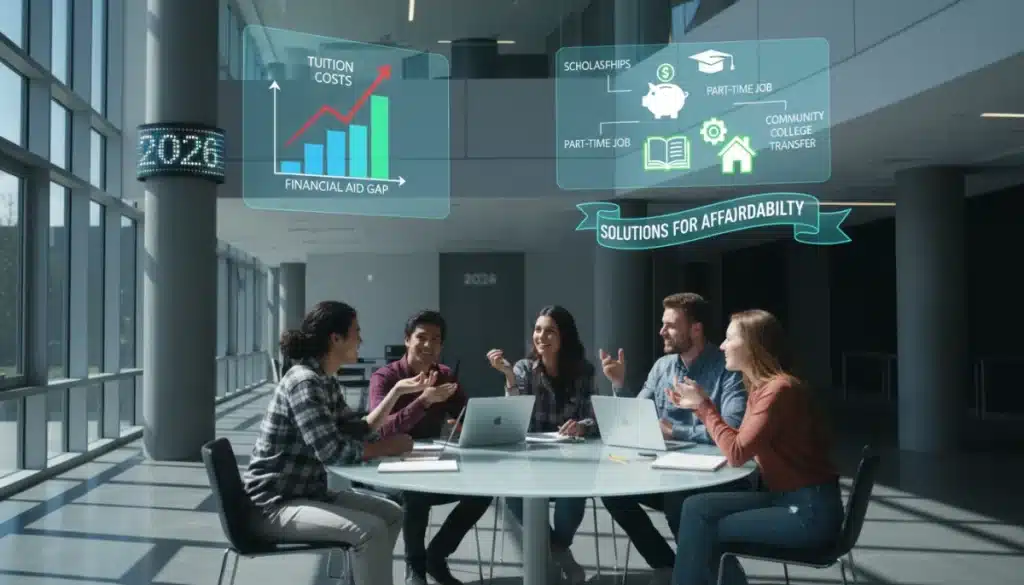
Addressing higher education affordability in 2026 necessitates a comprehensive 3-step plan focused on strategic financial aid, alternative learning, and systemic policy reforms.
As we look towards 2026, the discussion around higher education affordability in 2026 remains as crucial as ever. Many families and prospective students grapple with the escalating costs of college, wondering how to make quality education accessible without incurring overwhelming debt. This article outlines a practical 3-step plan designed to navigate and mitigate these financial challenges.
Understanding the Landscape of College Costs in 2026
Before diving into solutions, it’s essential to grasp the current and projected financial realities of higher education. Tuition fees continue to rise, often outpacing inflation and wage growth, making it increasingly difficult for average-income families to afford a four-year degree without significant financial assistance or loans. The year 2026 is expected to see these trends persist, with public and private institutions facing their own operational cost pressures.
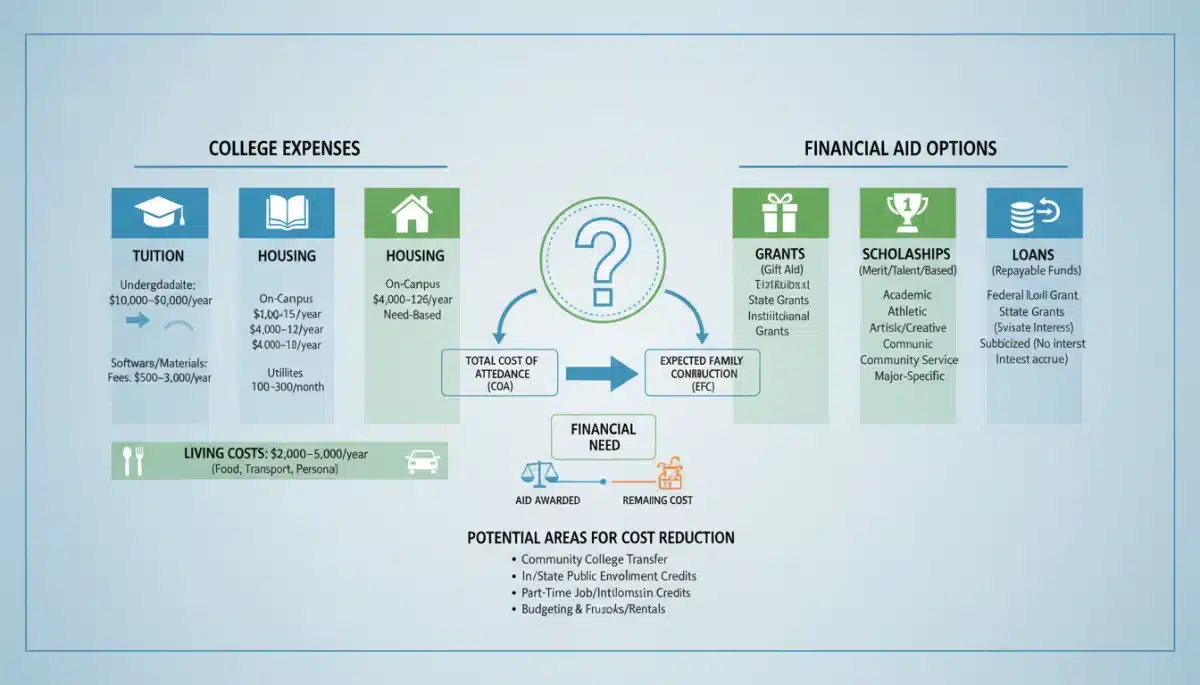
Beyond tuition, other expenses significantly contribute to the overall cost of attendance. These include room and board, textbooks, supplies, transportation, and personal expenses. These often hidden costs can add tens of thousands of dollars to a student’s annual bill, pushing the true cost far beyond the advertised tuition rate. Understanding this multifaceted expense structure is the first step toward effective cost reduction.
Factors driving increased costs
- Administrative bloat and increasing non-instructional staff salaries.
- Investment in state-of-the-art facilities and technology.
- Decreased state funding for public institutions, shifting the burden to students.
- Demand for specialized programs and smaller class sizes.
The cumulative effect of these factors creates a formidable barrier for many, highlighting the urgent need for innovative strategies to ensure higher education remains within reach for all aspiring students. Without a clear understanding of these dynamics, any proposed solutions would be merely superficial.
In conclusion, the financial landscape of higher education in 2026 is complex, characterized by rising tuition and a multitude of additional expenses. Acknowledging these underlying drivers is paramount to developing effective and sustainable strategies for improving affordability.
Step 1: Maximizing Financial Aid and Scholarship Opportunities
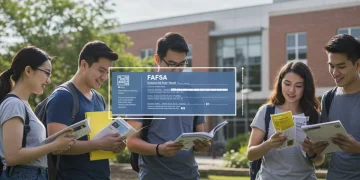
The cornerstone of any plan to reduce college costs involves aggressively pursuing and optimizing financial aid and scholarship opportunities. This isn’t just about filling out the FAFSA; it requires a strategic, year-round approach to identify and secure funding that doesn’t need to be repaid. Many families underestimate the breadth of aid available or simply don’t know where to look.
Beginning early, ideally during high school, allows students and parents to research and apply for a wider range of scholarships, grants, and work-study programs. These funds can significantly offset tuition, housing, and other educational expenses, directly impacting the overall financial burden. The key is to be diligent and persistent in the application process.
Navigating the financial aid application process
The Free Application for Federal Student Aid (FAFSA) is the gateway to federal grants, loans, and work-study programs. Completing it accurately and on time is crucial. However, it’s equally important to understand the Expected Family Contribution (EFC) and how it impacts aid eligibility. Many states and individual institutions also have their own aid applications, which must be completed.
- Federal Grants: Pell Grants and Federal Supplemental Educational Opportunity Grants (FSEOG) are need-based and do not require repayment.
- Institutional Aid: Many colleges offer their own grants and scholarships, often based on a combination of need and merit.
- Private Scholarships: Countless organizations, foundations, and businesses offer scholarships based on academics, extracurriculars, heritage, field of study, or unique talents.
Beyond federal and institutional aid, a vast ecosystem of private scholarships exists. Websites like Fastweb, Scholarship.com, and local community foundations are excellent resources. Students should tailor their applications, highlighting unique skills, experiences, and academic achievements to stand out from the competition. Even small scholarships can add up, making a noticeable difference.
In essence, maximizing financial aid is about proactive research, meticulous application, and understanding the various avenues of funding. This step alone can transform the financial outlook for many aspiring college students.
Step 2: Exploring Alternative Pathways to a Degree
Traditional four-year residential college isn’t the only route to a successful career or higher education. In 2026, a growing array of alternative pathways offers cost-effective and flexible options that can significantly reduce the financial burden while still providing quality education. These alternatives challenge the conventional notion of what college should look like.
Community colleges, for instance, offer an excellent starting point for many students. They provide lower tuition rates, allowing students to complete general education requirements before transferring to a four-year institution. This ‘2+2’ model can save tens of thousands of dollars on the first two years of a bachelor’s degree.
Innovative educational models for cost savings
Beyond community colleges, online learning platforms, vocational schools, and competency-based education programs are gaining traction. These models often provide more flexible schedules, lower overhead costs, and direct pathways to in-demand careers, making them attractive for students seeking value and efficiency.
- Online Degrees: Many reputable universities offer online bachelor’s and master’s degrees at a reduced cost, eliminating room, board, and transportation expenses.
- Vocational and Technical Schools: These institutions focus on specific trades and skills, offering shorter programs and direct entry into the workforce with good earning potential.
- Competency-Based Education (CBE): Students progress based on demonstrated mastery of subjects rather than credit hours, potentially accelerating their degree completion and reducing costs.
The rise of micro-credentials and bootcamps also presents viable alternatives for acquiring specialized skills without committing to a full degree program. These shorter, intensive courses can lead to immediate employment or complement existing qualifications, often at a fraction of the cost of a traditional degree. Embracing these diverse educational models is a powerful strategy for improving higher education affordability in 2026.
Ultimately, considering and embracing alternative educational pathways provides students with more choices to achieve their academic and career goals without being constrained by the high costs of traditional university settings.
Step 3: Advocating for Systemic Policy Changes
While individual strategies are crucial, addressing higher education affordability in 2026 also requires broader, systemic changes. Policy reforms at the federal, state, and institutional levels can create a more equitable and accessible educational system for everyone. Students, families, and educators must become advocates for these changes.
One major area for reform is increased public investment in higher education. Historically, state funding has played a significant role in keeping public university tuition low. Reversing the trend of declining state appropriations could directly reduce the financial burden on students, making public universities more affordable and competitive.
Key policy areas for reform
Several policy levers can be pulled to make college more affordable. These range from tuition regulation to student loan reform, each with the potential to alleviate financial stress on students and families.
- Tuition Caps and Regulation: Implementing policies that limit annual tuition increases at both public and private institutions.
- Increased Grant Funding: Expanding federal and state grant programs to cover a larger portion of educational expenses for low- and middle-income students.
- Student Loan Reform: Lowering interest rates, simplifying repayment plans, and exploring options for loan forgiveness or refinancing.
Beyond these, policies that encourage innovation in higher education delivery, such as funding for competency-based programs or open educational resources, can also contribute to cost reduction. Advocacy groups, student organizations, and concerned citizens can lobby lawmakers, participate in public forums, and support political candidates who prioritize higher education affordability. Collective action is essential for driving meaningful change.
In summary, while individual efforts are important, lasting solutions to higher education affordability in 2026 will heavily rely on concerted efforts to advocate for and implement systemic policy reforms that benefit all students.
Leveraging Technology for Cost-Effective Learning
The rapid advancement of technology offers unprecedented opportunities to reduce the costs associated with higher education. In 2026, digital tools and platforms are not just supplementary but integral to creating more affordable and accessible learning experiences. From open educational resources (OER) to AI-powered tutoring, technology is reshaping the educational landscape.
Open Educational Resources (OER) are a prime example. These are freely accessible, openly licensed instructional materials that can replace expensive textbooks. By adopting OER, institutions can significantly cut down on student expenses, often saving hundreds of dollars per course. Many universities are already embracing this model, with positive feedback from both faculty and students.
Digital tools and platforms for financial savings
Beyond OER, various technological innovations contribute to a more affordable education. These tools can optimize learning, reduce the need for physical infrastructure, and offer flexible alternatives to traditional classroom settings.
- Massive Open Online Courses (MOOCs): Platforms like Coursera and edX offer university-level courses, often for free or at a fraction of the cost of traditional tuition, allowing students to gain knowledge and sometimes even credit.
- Virtual Labs and Simulations: These reduce the need for expensive physical equipment and facilities, making science and engineering education more accessible and less costly.
- AI-Powered Tutoring and Learning Platforms: Personalized learning experiences can improve student outcomes and potentially reduce the need for remedial courses, saving time and money.
Furthermore, the digital transformation of administrative processes can lead to greater efficiency and cost savings for institutions, which can then be passed on to students. Streamlining enrollment, financial aid processing, and academic advising through technology can reduce operational overhead. Embracing these technological advancements is a crucial component of any strategy to improve higher education affordability in 2026, offering scalable and sustainable solutions.
Ultimately, technology provides powerful avenues for making education more cost-effective and accessible, democratizing knowledge and reducing barriers for students seeking higher learning.
Personalized Financial Planning and Debt Management
Even with grants, scholarships, and alternative pathways, many students will still incur some level of debt. Effective personal financial planning and proactive debt management are therefore critical components of ensuring higher education affordability in 2026. This involves understanding loan terms, budgeting effectively, and planning for repayment before graduation.
Students should start by thoroughly understanding the types of loans they are taking out. Federal student loans generally offer more favorable terms, such as fixed interest rates and income-driven repayment options, compared to private loans. Minimizing reliance on private loans, which often have variable interest rates and fewer consumer protections, is a smart strategy.
Strategies for smart borrowing and repayment
Borrowing only what is absolutely necessary is perhaps the most fundamental piece of advice. Living frugally during college can significantly reduce the amount needed in loans. Beyond that, understanding repayment options and preparing for them early can prevent future financial stress.
- Budgeting: Creating a realistic budget for college expenses and sticking to it can prevent over-borrowing.
- Income-Driven Repayment (IDR) Plans: Federal loan programs offer IDR plans that adjust monthly payments based on income and family size, making repayment more manageable.
- Loan Forgiveness Programs: Exploring options like Public Service Loan Forgiveness (PSLF) for those working in qualifying public service jobs.
Proactive engagement with financial aid offices and loan servicers can also provide valuable guidance on managing debt. Many institutions offer workshops on financial literacy and debt management. Graduating with a clear understanding of one’s loan obligations and a solid repayment strategy is key to long-term financial health. By combining strategic borrowing with diligent repayment planning, students can navigate the financial complexities of higher education more successfully.
In conclusion, robust personal financial planning and proactive debt management are indispensable for students in 2026, ensuring that the investment in higher education remains sustainable and manageable.
| Key Strategy | Brief Description |
|---|---|
| Maximize Financial Aid | Aggressively pursue grants, scholarships, and work-study programs to reduce out-of-pocket costs. |
| Explore Alternative Pathways | Consider community colleges, online degrees, and vocational schools for cost-effective education. |
| Advocate for Policy Changes | Support systemic reforms like increased public funding and student loan interest rate reductions. |
| Personalize Financial Planning | Implement smart borrowing, budgeting, and debt management strategies for long-term financial health. |
Frequently Asked Questions About College Affordability in 2026
The primary challenges include continuously rising tuition fees, decreasing state funding for public institutions, and the increasing burden of non-tuition costs like housing and textbooks. These factors combine to create significant financial barriers for many students and families across the U.S.
To maximize aid, start early by researching various scholarship platforms, completing the FAFSA accurately and on time, and applying to a diverse range of opportunities. Tailor your applications to highlight unique strengths, academic achievements, and community involvement to stand out.
Absolutely. Community colleges offer significantly lower tuition rates for the first two years of general education, which can then be transferred to a four-year institution. This ‘2+2’ model provides a substantial cost saving without compromising academic quality or future opportunities.
Policy changes are crucial for systemic affordability. Increased government funding for higher education, tuition caps, and student loan reform (like lower interest rates or expanded forgiveness programs) can collectively ease the financial burden on students and families nationwide.
Technology helps by enabling Open Educational Resources (OER) to replace expensive textbooks, offering affordable online courses and degrees, and providing virtual labs. These innovations reduce the need for physical infrastructure and expensive materials, making education more accessible and cost-effective.
Conclusion
Addressing higher education affordability in 2026 requires a multi-pronged approach that combines individual strategic planning with collective advocacy for systemic change. By maximizing financial aid, exploring diverse educational pathways, leveraging technological advancements, and actively pushing for policy reforms, students and families can navigate the complexities of college costs more effectively. The goal is to ensure that quality higher education remains an achievable dream, not an insurmountable financial burden, paving the way for a more educated and prosperous future for all.
Autor