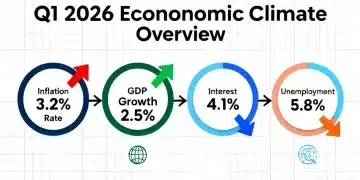
US Export Markets: 2026 Projections Amidst Global Trade Tensions
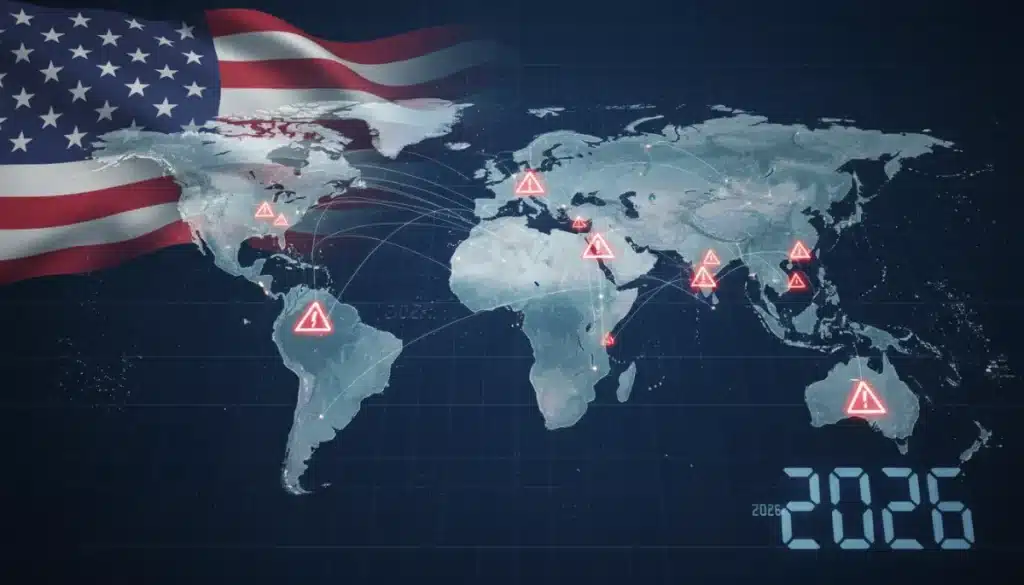
The 2026 outlook for US export markets faces significant challenges and opportunities, shaped by evolving global trade tensions, geopolitical realignments, and rapid technological integration, demanding strategic adaptation from American businesses.
Understanding the future of US export markets 2026 is crucial for businesses, policymakers, and investors alike. As we navigate a complex global landscape, the interplay of geopolitical shifts, economic policies, and technological advancements promises to redefine international trade dynamics, directly impacting American exporters. This 6-month projection aims to shed light on these critical factors.
The Evolving Landscape of Global Trade Tensions
The global trade environment continues to be characterized by a mixture of cooperation and friction. In 2026, we anticipate that existing trade tensions will persist and potentially intensify in certain regions, directly influencing US export strategies and market access. These tensions are not monolithic; they span various forms, from tariff disputes to non-tariff barriers and technological protectionism.
Governments worldwide are increasingly adopting protectionist measures, often under the guise of national security or industrial policy. This trend creates a challenging environment for US exporters, who must navigate a patchwork of regulations and restrictions that can suddenly shift, impacting their supply chains and market entry points. The unpredictability of these policy changes is a significant concern for businesses relying on stable international trade.
Key Drivers of Trade Friction
- Tariff Escalations: While some tariffs might be eased, new ones could emerge, particularly in sectors deemed strategically important by competing nations.
- Non-Tariff Barriers: These include quotas, import licenses, subsidies, and stringent regulatory requirements that disproportionately affect foreign goods.
- Technological Protectionism: Nations are increasingly seeking to protect their domestic technology sectors, leading to restrictions on technology transfers and exports of high-tech components.
- Geopolitical Rivalries: Competition for global influence often translates into economic leverage, with trade policies being used as tools in broader geopolitical strategies.
The impact of these tensions on US export markets 2026 will be multifaceted. Exporters will need to be agile, diversifying their markets and supply chains to mitigate risks. Companies that can adapt quickly to new regulatory frameworks and find alternative routes to market will be better positioned to weather these storms. The ability to innovate and offer unique value propositions will also be critical in overcoming protectionist hurdles.
Geopolitical Shifts and Their Economic Repercussions
Geopolitical alignments and rivalries are powerful forces shaping the global economy, and their influence on US export markets 2026 cannot be overstated. The ongoing competition between major global powers, regional conflicts, and the formation of new economic blocs are creating a dynamic and often volatile international trade landscape. These shifts directly affect market access, supply chain stability, and the overall demand for US goods and services.
For American exporters, understanding these geopolitical currents is paramount. For instance, heightened tensions in certain regions can lead to disruptions in shipping routes, increased insurance costs, and even outright trade embargoes. Conversely, new alliances or diplomatic breakthroughs can open up previously inaccessible markets, presenting significant opportunities for growth. The political stability of trading partners is a constant consideration for businesses looking to expand their international footprint.
Regional Dynamics Influencing US Exports
- Indo-Pacific Region: This area remains a crucial hub for global trade, but ongoing geopolitical competition could lead to trade realignments and shifts in supply chain focus.
- European Union: While a traditional ally, the EU’s own internal economic challenges and evolving trade priorities will factor into US export dynamics.
- Latin America: Growing economies in this region present opportunities, but political instability and varying trade policies require careful navigation.
- Africa: A continent with immense untapped potential, but infrastructure challenges and political risks remain significant considerations for US exporters.
The 6-month projection for 2026 suggests that adaptability will be the hallmark of successful US export strategies. Companies that invest in robust risk assessment and develop diversified market entry strategies will be better equipped to capitalize on emerging opportunities while mitigating the impact of adverse geopolitical events. The emphasis will be on building resilient supply chains that can withstand shocks and maintain continuity of operations.
Impact on Key US Export Sectors
The intricate web of global trade tensions and geopolitical shifts will not affect all US export sectors uniformly. Some industries are inherently more exposed to international market fluctuations and policy changes, while others might find new avenues for growth. Understanding these sectoral nuances is vital for strategizing within US export markets 2026. Over the next six months, we anticipate distinct impacts on manufacturing, agriculture, technology, and services.
Manufacturing, particularly in high-value goods like aerospace and specialized machinery, faces potential headwinds from increased protectionism and competition from state-subsidized industries abroad. However, sectors that offer unique technological advantages or critical components might still see strong demand despite broader tensions. The resilience of American innovation will be tested in these areas.
Sector-Specific Outlook
Agricultural Exports: This sector is often at the forefront of trade disputes. While demand for US agricultural products remains strong globally, retaliatory tariffs or import restrictions from key trading partners could significantly impact profitability. Diversification of export destinations and a focus on high-value, niche products will be crucial.
Technology and Digital Services: Despite concerns about technological protectionism, the demand for US software, cloud services, and advanced digital solutions is likely to remain robust. However, data localization laws and cybersecurity regulations in foreign markets will require careful compliance and adaptation for American tech companies.
Energy Exports: The US has emerged as a major energy exporter. Geopolitical events can significantly influence global energy prices and demand, creating both opportunities and risks. Stability of international energy markets will be a key factor in the performance of this export sector.
Each sector will require tailored strategies to navigate the evolving global trade landscape. Exporters must conduct thorough market research, understand the specific regulatory environments of their target countries, and be prepared to adjust their business models as conditions change. The ability to forge strong relationships with international partners, even amidst tensions, will also be a significant asset.
The Role of Currency Fluctuations and Economic Growth
Currency exchange rates and the economic health of trading partners are fundamental determinants of the competitiveness of US export markets 2026. Over the next six months, we expect these factors to play a significant role in shaping demand for American products globally. A strong US dollar can make American goods more expensive for foreign buyers, potentially dampening export volumes, while a weaker dollar can boost competitiveness.
Moreover, the pace of economic growth in key export destinations directly influences the purchasing power and demand for imported goods. If major economies experience slowdowns or recessions, the overall appetite for US exports will naturally decrease. Conversely, robust growth in emerging markets could offset declines elsewhere, providing new opportunities for American businesses.
Key Economic Indicators to Monitor
- US Dollar Index: A sustained strengthening of the dollar could put pressure on export prices and profit margins for American companies.
- GDP Growth in Major Trading Partners: Monitoring economic forecasts for countries like Canada, Mexico, the EU, and East Asian nations is crucial for anticipating demand.
- Inflation Rates Globally: High inflation in foreign markets can erode consumer purchasing power, impacting demand for non-essential imported goods.
- Interest Rate Differentials: These can influence capital flows and currency valuations, indirectly affecting export competitiveness.
For US exporters, hedging strategies against currency risks and closely tracking international economic indicators will be essential. Adapting pricing strategies to account for exchange rate fluctuations and focusing on markets with stronger economic outlooks can help maintain export momentum. The ability to offer competitive financing terms can also be a differentiating factor in attracting international buyers.
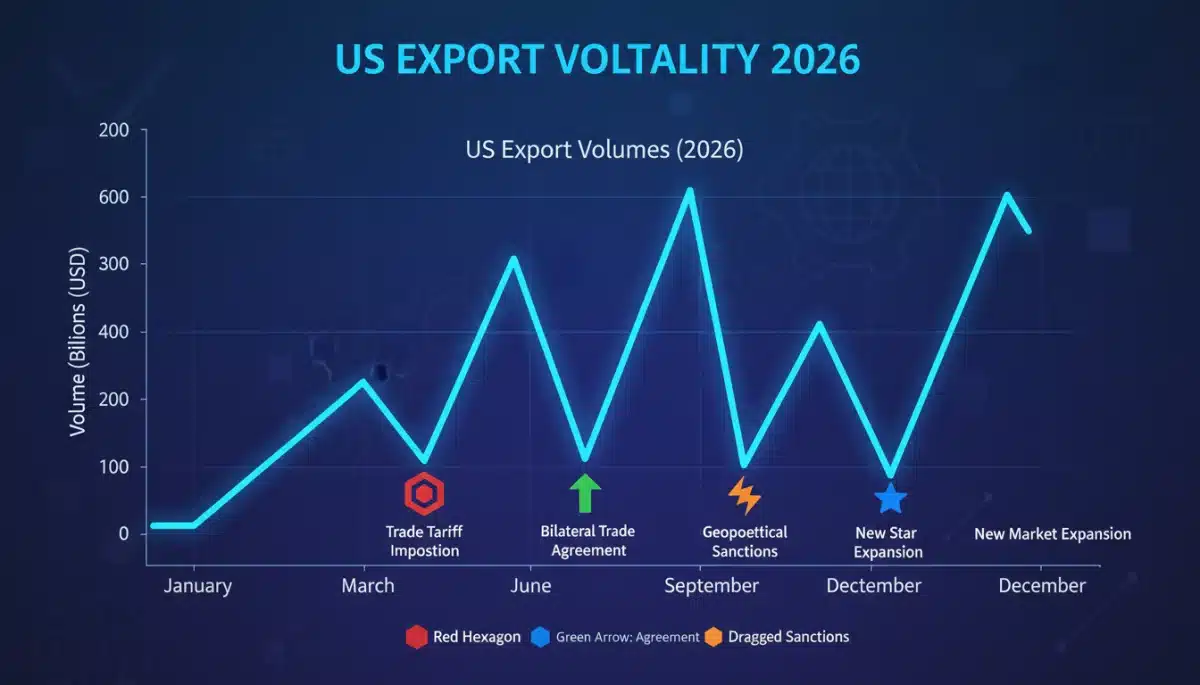
Supply Chain Resilience and Diversification
The vulnerabilities exposed in global supply chains during recent years have underscored the critical importance of resilience and diversification for US export markets 2026. As trade tensions persist and geopolitical risks evolve, American businesses are increasingly prioritizing strategies to minimize disruptions and ensure the continuous flow of goods and components. The traditional model of optimizing for cost efficiency alone is giving way to a more balanced approach that emphasizes security and reliability.
Over the next six months, we anticipate a continued trend towards ‘nearshoring’ or ‘friendshoring,’ where companies relocate production or sourcing to geographically closer countries or politically aligned nations. This not only reduces transit times and costs but also mitigates the risks associated with geopolitical instability in distant regions. However, this shift requires significant investment and strategic planning, and its full effects will unfold over time.
Strategies for Enhanced Supply Chain Resilience
Geographic Diversification: Businesses are actively seeking multiple sourcing locations for critical components and materials, reducing reliance on any single country or region that might become subject to trade restrictions or disruptions.
Inventory Management: While ‘just-in-time’ inventory models have been popular, some companies are now building larger buffer stocks of essential goods to absorb unexpected supply shocks, though this comes with increased carrying costs.
Technological Integration: Advanced analytics, AI, and blockchain are being deployed to enhance visibility across the supply chain, allowing for more proactive identification and mitigation of potential disruptions. Predictive modeling can help anticipate bottlenecks before they occur.
Strategic Partnerships: Forming stronger, more flexible relationships with a diverse network of suppliers and logistics providers is paramount. These partnerships can provide greater agility in responding to unforeseen challenges and ensure alternative routes are available when primary ones are compromised.
The investment in supply chain resilience is not merely a defensive measure; it is also a competitive advantage. Companies that can reliably deliver products despite global turbulence will gain market share and build stronger customer trust. For US export markets 2026, a robust and diversified supply chain will be a cornerstone of sustained growth and market penetration.
Navigating Regulatory Compliance and Trade Agreements
The labyrinth of international trade regulations and the shifting landscape of trade agreements present a continuous challenge for US exporters. In 2026, staying abreast of these changes will be more critical than ever, as non-compliance can lead to hefty fines, delays, and even loss of market access. The complexity extends beyond tariffs to include product standards, labeling requirements, data privacy laws, and environmental regulations, all of which vary significantly from country to country.
Furthermore, the status of existing trade agreements and the negotiation of new ones will directly influence the competitive position of American goods. While some agreements aim to reduce barriers, others might introduce new complexities or favor specific regional blocs. Exporters must meticulously analyze how these developments impact their specific products and target markets.
Key Areas of Regulatory Focus
- Product Standards and Certifications: Different countries have unique safety, health, and environmental standards that US products must meet. Obtaining the necessary certifications can be a lengthy but essential process.
- Customs and Import Procedures: Understanding the customs processes of importing countries, including documentation, valuation methods, and duties, is crucial for smooth clearance and avoiding delays.
- Data Privacy Regulations: For services and digital exports, compliance with evolving global data protection laws, such as GDPR or similar regional frameworks, is non-negotiable.
- Environmental, Social, and Governance (ESG) Requirements: There’s a growing global emphasis on sustainable and ethical trade practices, with many countries introducing regulations that impact supply chain sourcing and production methods.
For US businesses engaged in international trade, investing in legal expertise and robust compliance systems is not an option but a necessity. Leveraging digital tools to track regulatory changes and automate compliance checks can significantly reduce the administrative burden. Additionally, actively participating in industry associations and engaging with trade policy discussions can provide valuable insights and influence future regulatory frameworks affecting US export markets 2026. Proactive engagement ensures that exporters are not merely reactive but are instead shaping the environment in which they operate.
Strategic Adaptations for US Exporters in 2026
Given the multifaceted challenges and opportunities facing US export markets 2026, American exporters must adopt strategic adaptations to thrive. A ‘business as usual’ approach will likely prove insufficient in an environment characterized by persistent trade tensions, geopolitical shifts, and rapid technological evolution. The next six months will be a period of intense re-evaluation and recalibration for many companies seeking to maintain or expand their international presence.
One primary adaptation involves a deeper commitment to market diversification. Relying too heavily on a single market, especially one prone to geopolitical volatility or protectionist policies, is a significant risk. Exporters should actively explore new and emerging markets, even those that may have historically been considered secondary. This requires robust market research and a willingness to adapt products and marketing strategies to local preferences and regulatory frameworks.
Essential Adaptive Strategies
- Enhanced Digital Presence: The acceleration of e-commerce and digital trade means that a strong online presence, localized websites, and digital marketing strategies are no longer optional but fundamental for reaching international customers.
- Innovation in Product and Service Offerings: Focusing on high-value, differentiated products and services that offer unique benefits can help overcome price sensitivities and protectionist barriers. Innovation can create demand that transcends political friction.
- Building Local Partnerships: Collaborating with local distributors, agents, or joint venture partners can provide invaluable market insights, facilitate regulatory compliance, and help navigate cultural nuances, significantly reducing entry barriers.
- Advocacy and Engagement: US exporters should actively engage with trade associations and government agencies to advocate for policies that support free and fair trade, and to stay informed about evolving trade agreements and support programs.
Ultimately, success in US export markets 2026 will hinge on agility, foresight, and a proactive approach to risk management. Companies that view global challenges as opportunities for innovation and strategic realignment, rather than insurmountable obstacles, will be best positioned to capture growth in an increasingly complex world. The emphasis will be on building resilient, adaptable, and globally connected enterprises.
| Key Aspect | 6-Month Projection for US Exports (2026) |
|---|---|
| Trade Tensions | Expected to persist, influencing market access and requiring diversification strategies. |
| Geopolitical Shifts | Continued impact on supply chains and regional demand, necessitating agile responses. |
| Supply Chain Resilience | Increased focus on nearshoring and diversification to mitigate disruptions. |
| Regulatory Compliance | Growing complexity demands proactive engagement and robust compliance systems for exporters. |
Frequently Asked Questions About US Export Markets in 2026
US manufacturing exports are likely to face increased pressure from tariffs and non-tariff barriers, particularly in sectors with strong foreign competition or strategic importance. Businesses should focus on high-value, specialized products and explore diversified markets to mitigate risks and maintain competitiveness.
A strengthening US dollar can make American goods more expensive for international buyers, potentially reducing demand. Exporters need to monitor exchange rates closely, consider hedging strategies, and adjust pricing to remain competitive in various global markets during 2026.
While traditional markets remain crucial, emerging economies in Southeast Asia, parts of Latin America, and select African nations offer untapped potential. Exporters should conduct thorough market research to identify sectors with growing demand and favorable trade conditions in these regions.
Supply chain diversification is paramount. Relying on single sources or regions for materials and production increases vulnerability to geopolitical events and trade disruptions. Diversifying suppliers and production locations enhances resilience and ensures continuity of operations for US exporters in 2026.
SMEs should leverage digital tools for market entry, seek guidance from trade assistance programs, and consider partnerships with local entities in target markets. Staying informed about trade agreements and regulatory changes is crucial, as is focusing on niche markets where their unique offerings can stand out.
Conclusion
The 6-month projection for US export markets 2026 underscores a period of sustained complexity and dynamic change. From enduring global trade tensions and significant geopolitical shifts to the critical need for supply chain resilience and meticulous regulatory compliance, American exporters face a landscape demanding strategic foresight and adaptability. Success will not be found in passive observation but in proactive engagement, diversification, and a steadfast commitment to innovation. Companies that embrace these imperatives, continuously re-evaluating their strategies and leveraging new technologies, will be best positioned to navigate the challenges and capitalize on the opportunities that emerge in the evolving global trade arena.
Autor